
Bringing home a rescue pet with an unknown past is one of the most noble, transformative, and deeply rewarding experiences a pet parent can have. Whether you adopt from a shelter, foster through a local rescue organization, or welcome a stray off the street, taking in an animal whose background is a total mystery opens up a chapter filled with love, trust, and healing. However, it also introduces a unique challenge: navigating a complete medical blank slate.
Without past vaccination certificates, surgical records, or background details regarding chronic conditions, new owners are left asking difficult questions. Did your dog receive their rabies shot last year? Is your cat already spayed or neutered? Are those subtle skin irritations the result of environmental allergies or a lingering flea infestation? Guessing is never an option when it comes to preventive healthcare.
Rebuilding a rescue pet's missing medical history requires a methodical, proactive approach. By combining veterinary diagnostic tools—such as age estimation, antibody titering, and comprehensive blood panels—with centralized digital tracking through the Keia App, you can turn a chaotic medical blank slate into a clear, structured health roadmap for life.
Phase 1: The First 48 Hours & Intake Fundamentals
The first two days in a new home are critical for gathering baseline data while ensuring your rescue pet feels safe and secure. During this decompression period, focus on identity verification and basic health isolation.
1. Comprehensive Microchip Scanning
Before assuming your rescue has no history anywhere, have a shelter or veterinarian perform a thorough, full-body microchip scan. Microchips can migrate from between the shoulder blades down to the brisket or shoulder legs over time. If a chip is detected, reaching out to the microchip registry might unlock contact details of a previous shelter or clinic, allowing you to recover past records instantly.
2. Veterinary Dentition & Age Estimation
Determining an exact birthdate for a stray or rescue is rarely possible, but a veterinarian can estimate age through physical markers:
- Puppies and Kittens (Under 6 Months): Age is estimated accurately based on the eruption of baby teeth and the appearance of permanent adult incisors and canines.
- Young Adults (1–3 Years): Teeth are clean, white, and sharp, with minimal wear on the cusps.
- Mature Adults (3–6 Years): Slight yellowing, tartar accumulation, and noticeable wear appear on the incisors.
- Seniors (7+ Years): Heavy tartar buildup, gum recession, worn or missing teeth, and cloudiness in the eyes (lenticular sclerosis) become evident.
3. Temporary Household Isolation
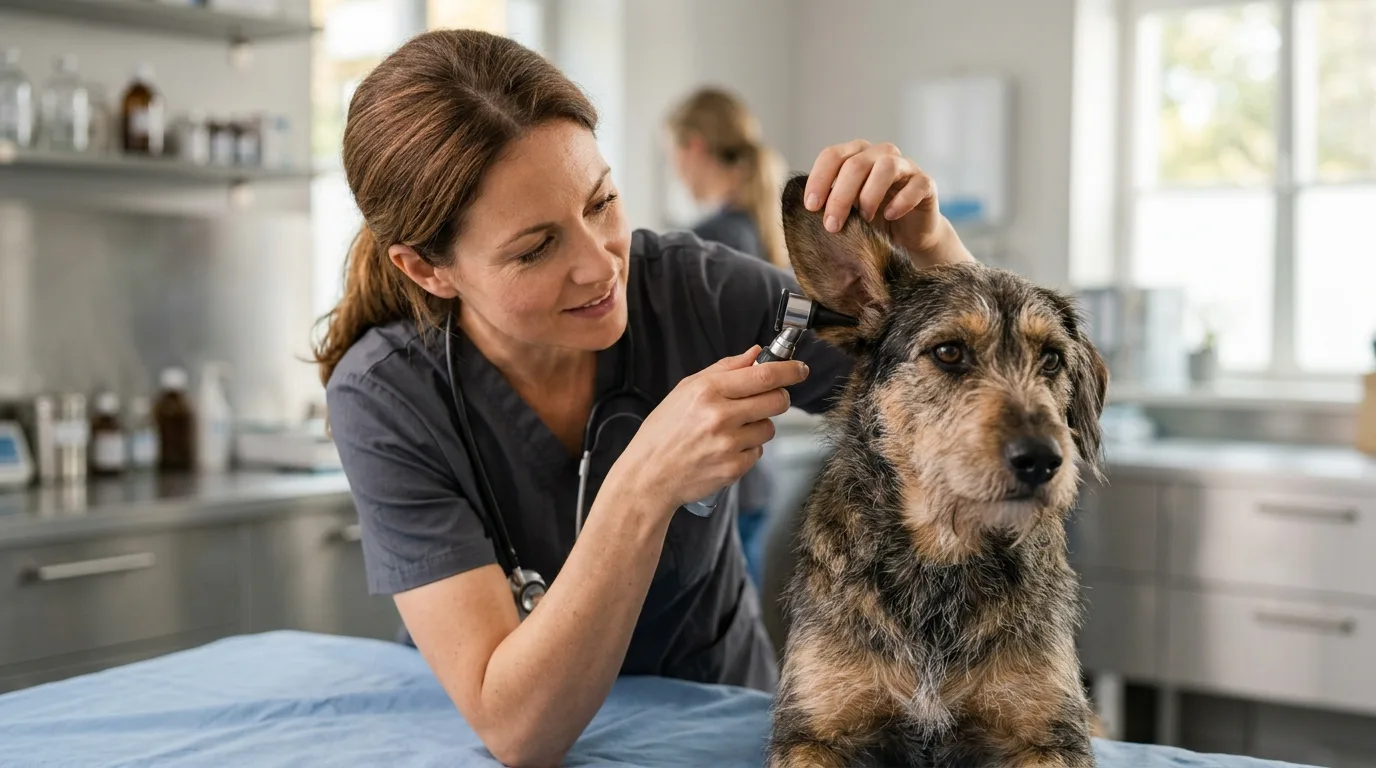
If you have resident pets, maintain temporary quarantine until your vet completes a full physical checkup and parasite screen. Stray pets frequently carry contagious conditions such as upper respiratory infections, kennel cough, ringworm, ear mites, or fleas that can easily spread to resident animals.
Phase 2: The "Blank Slate" Medical Protocol
When past veterinary care cannot be verified through physical records, veterinarians default to established diagnostic protocols designed to protect your pet without causing unnecessary medical harm.
Re-Starting Core Vaccinations Safely
The general rule in veterinary medicine is simple: if an adult pet's vaccination history is unverified, assume they are unvaccinated. Revaccinating an adult pet that may have received shots in the past is overwhelmingly safe; the vaccine simply functions as a booster to reinforce their immune response.
- The Core Protocol: When physical records do not exist, treat the animal as unprotected.
- For Dogs: A standard restart includes an initial core vaccine (DHPP: Distemper, Hepatitis, Parvovirus, Parainfluenza) followed by a mandatory booster shot 3 to 4 weeks later, along with a Rabies vaccine based on legal requirements.
- For Cats: A standard restart includes the core FVRCP series (Feline Viral Rhinotracheitis, Calicivirus, Panleukopenia) with a booster shot 3 to 4 weeks later, plus Rabies.
- Antibody Titer Testing: If you prefer to avoid revaccinating, ask your vet for an antibody titer test. Titer tests measure circulating antibodies in the blood against diseases like distemper and parvovirus, confirming whether your pet still holds active immunity from previous vaccinations.
Comprehensive Parasite Diagnostics
Rescued animals almost universally carry internal or external parasites. A thorough intake screening should include:
- Fecal Floatation & Antigen Testing: Identifies microscopic intestinal parasites like roundworms, hookworms, whipworms, and protozoa such as Giardia or Coccidia.
- Vector-Borne Blood Screening: For dogs, a 4Dx blood panel tests for heartworm disease and tick-borne pathogens (Lyme disease, Ehrlichia, Anaplasma). For cats, a combination snap test checks for Feline Leukemia Virus (FeLV) and Feline Immunodeficiency Virus (FIV).
Verifying Spay or Neuter Status
Determining if an adult female rescue has been spayed can be tricky without visible surgical scars:
- Visual Examination: Male pets are generally easy to confirm, though cryptorchidism (retained testicles) must be ruled out via palpation or ultrasound.
- Surgical Scar Inspection & Tattoos: Many shelters apply a tiny green or blue tattoo line near the incision site during spay procedures.
- Ultrasound & Hormone Testing: If no scar or tattoo is visible, an abdominal ultrasound or an Luteinizing Hormone (LH) blood test can confirm whether ovaries are present before scheduling exploratory surgery.
Phase 3: Observation, Journaling & Behavioral Baseline
The first month in a new home—often referred to as the 3-3-3 decompression period—is a time when pets adjust to new routines. Because rescue animals frequently mask pain, anxiety, or illness when stressed, keeping detailed daily observations helps uncover underlying health issues early.
What to Monitor & Log Daily:
- Digestive Health: Document stool consistency, appetite changes, and any vomiting during food transitions.
- Skin & Coat Condition: Keep track of itchiness, redness, hair loss, or unusual lumps and bumps.
- Energy & Mobility: Differentiate between normal emotional decompression fatigue and physical lethargy, joint stiffness, or limping after exercise.
- Water Intake & Elimination: Track excessive drinking or frequent urination, which can point to urinary tract infections, diabetes, or kidney issues.
How the Keia App Rebuilds Your Pet's History
Starting from scratch is far simpler when you don't have to manage loose papers, handwritten vet bills, and mental notes. The Keia App acts as your central command center, helping you create a permanent, digitally accessible health profile for your rescue pet from day one.
- Centralized Record Storage: Store photos and PDFs of intake exams, microchip registration cards, bloodwork results, and adoption contracts in one secure digital wallet.
- Visual Symptom Logging: Take photos of unusual rashes, dental tartar, or healing surgical incisions and log them directly into Keia's Health Journal. You can present a clear visual timeline to your vet during follow-up appointments.
- Automated Preventive Reminders: Never miss the critical 3-to-4-week core booster window or monthly flea, tick, and heartworm treatments with automated notifications.
- Co-Parenting & Caregiver Syncing: Shared care features allow family members, partners, and pet sitters to stay on the same page regarding feeding changes, medication times, and vet visits without confusion.
The Step-by-Step Rescue Health Checklist
Keep this reference guide handy during your rescue pet's first 90 days:
- Days 1–2 (Arrival): Full-body microchip scan, emergency triage check, and temporary isolation from resident pets.
- Week 1 (Initial Vet Visit): Comprehensive physical exam, age estimation, fecal parasite test, and FeLV/FIV or Heartworm blood screening.
- Weeks 1–4 (Immunization & Deworming): First core vaccine series, initial broad-spectrum deworming, and start of monthly flea/tick preventatives.
- Weeks 4–6 (Booster & Follow-Up): Secondary core vaccine boosters (DHPP/FVRCP), rabies vaccination, and follow-up fecal test.
- Months 2–3 (Long-Term Planning): Spay/neuter status verification or surgery scheduling, dental scaling assessment, and establishment of a permanent health routine.
Rebuilding a rescue pet's medical history requires patience, attention to detail, and a structured care plan. By working closely with your veterinarian and organizing every milestone inside the Keia App, you give your new companion the gift of a clean slate and a healthy, well-documented future.
Frequently Asked Questions (FAQ)
Is it safe to revaccinate a rescue pet if they might have been vaccinated in the past?
Yes. In the vast majority of cases, administering core vaccinations to an already-vaccinated adult animal causes no harm and simply acts as an immune booster. Veterinarians balance the negligible risk of revaccination against the severe, life-threatening risks of leaving a pet unprotected against diseases like parvovirus or rabies.
How accurate is age estimation by teeth?
Age estimation through dental wear is very accurate in young animals under 1 year of age due to predictable tooth eruption patterns. In adult pets, it provides a reliable estimate within a 1-to-2-year range, though factors like previous diet, chewing habits, and genetics can influence dental wear.
What should I do if my rescue pet shows signs of anxiety during their first vet visit?
Inform your veterinary clinic beforehand that you are bringing in a newly adopted rescue. Many clinics offer fear-free handling, allowing your pet to acclimate with treats in a quiet exam room. You can also consult your vet about short-acting anti-anxiety medications prior to the visit.
How do I prove vaccination status when traveling or boarding my rescue pet?
Once your veterinarian administers the core restart vaccines and rabies shot, they will issue an official vaccination certificate. By taking a photo or uploading a PDF of this certificate into the Keia App, you will always have instant, digital proof of vaccination on your phone for boarding facilities, groomers, or travel checkpoints.
The information provided on this blog is for educational and informational purposes only and does not constitute veterinary medical advice. Always consult a qualified veterinarian for any questions regarding your pet's health or behavior.