
Our homes are sanctuaries designed to offer comfort, warmth, and hygiene. However, many of the everyday products we rely on to sanitize surfaces and freshen the air carry invisible hazards for our pets. Whether you share your home with a dog, cat, parrot, rabbit, or guinea pig, their biological systems process chemical compounds very differently from human bodies.
Animals interact with their environment intimately. They walk barefoot across freshly mopped floors, groom their fur, feathers, or paws with their tongues, and possess respiratory systems that are exceptionally vulnerable to chemical fumes. Accidental ingestion or inhalation of cleaning detergents, disinfectants, and air fresheners stands as one of the leading causes of domestic veterinary emergencies.
Identifying hazardous household substances early, recognizing species-specific poisoning signs, and applying correct first-aid measures can mean the difference between a mild scare and a life-threatening crisis.
1. Household Chemicals That Pose a Direct Threat
Not all household products carry the same level of toxicity, but specific chemical compounds are notoriously aggressive toward animal mucous membranes, skin, and internal organs.
The Most Hazardous Household Chemicals:
- Bleach and Chlorine-Based Disinfectants: Liquid bleach, sodium hypochlorite, and concentrated bathroom cleaners cause severe chemical burns to the mouth, tongue, esophagus, and stomach if ingested. Additionally, strong chlorine fumes can trigger pulmonary edema and acute respiratory distress, particularly in birds and cats.
- Floor Cleaners with Quaternary Ammonium Compounds (e.g., Benzalkonium Chloride): These antibacterial agents are widely used in popular floor disinfectants. When pets walk across a wet or damp surface, the residue clings to their paw pads. Through grooming, they swallow the chemical, leading to deep oral ulcers, profuse drooling, and tissue necrosis.
- Drain Openers, Oven Cleaners, and Descalers: Hydrochloric acid, sulfuric acid, and sodium hydroxide (lye) found in heavy-duty cleaners are extremely corrosive. Direct contact causes second- and third-degree chemical burns to eyes and skin, while inhaling fumes damages upper airways.
- Air Fresheners, Scented Candles, and Essential Oils: Plug-in fresheners, automatic room sprays, and aromatherapy diffusers release volatile organic compounds. Pure essential oils—especially tea tree, eucalyptus, citrus, cinnamon, and pine—are poorly metabolized by a cat's liver and are highly toxic to the delicate respiratory sacs of pet birds.
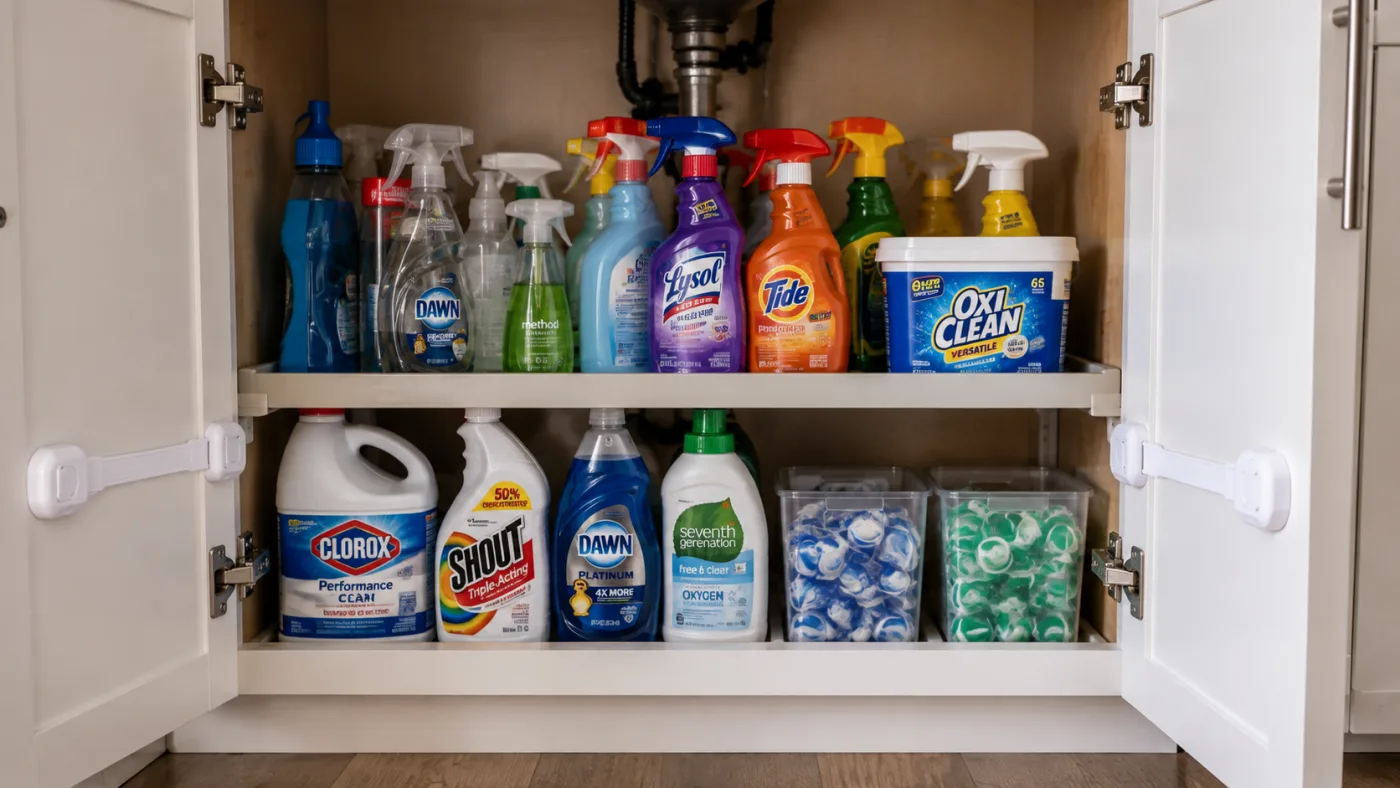
- Concentrated Liquid Detergent Pods (Laundry and Dishwasher): Brightly colored and soft to the touch, detergent pods frequently attract curious puppies and dogs. Biting into a pod releases concentrated detergent under pressure directly down the throat, causing massive foaming, immediate choking hazards, chemical burns, and aspiration pneumonia.
2. Clinical Signs: Recognizing Poisoning Across Species
An animal’s reaction to a toxic substance varies based on the route of exposure (ingestion, inhalation, or skin contact) and the specific pet species.
General Clinical Symptoms of Toxicity:
- Gastrointestinal Manifestations: Excessive drooling (foaming at the mouth), repeated vomiting (sometimes containing blood or white foam), severe diarrhea, visible nausea (lip-smacking), and complete loss of appetite.
- Respiratory Manifestations: Harsh coughing, frequent sneezing, wheezing, rapid panting, or labored breathing.
- Dermatological and Ocular Manifestations: Intense skin redness, blisters or open sores on the lips and tongue, excessive tearing, swollen eyelids, and compulsive pawing at the face.
- Neurological Manifestations: Muscle tremors, severe lethargy, uncoordinated movement (staggering), dilated pupils, hypothermia, or seizures.
Species-Specific Vulnerabilities:
- Cats: Rapidly develop tongue and mouth ulcerations due to their meticulous grooming habits. Essential oil or phenol exposure often manifests as acute liver distress and sudden body temperature drops.
- Dogs: Are prone to ingesting large quantities of liquid directly (chewing detergent pods or drinking from mop buckets). Gastrointestinal and neurological symptoms tend to appear rapidly and intensely.
- Birds: Their unique respiratory architecture featuring air sacs makes them hyper-sensitive to airborne toxins. Inhaling fumes from chlorine, overheated non-stick cookware, or synthetic fragrances can cause fatal lung congestion within minutes.
- Rabbits and Small Rodents: Are physiologically unable to vomit. Toxic substances swallowed remain trapped in their digestive tracts, triggering rapid gastrointestinal stasis, painful bloating, and hypothermic shock.
3. First-Aid Protocol: Crucial Do’s and Don’ts
When you suspect your pet has encountered a toxic household chemical, immediate, composed action is essential.
Immediate First-Aid Steps:
- Remove the Pet from the Source: Move your pet immediately into a well-ventilated space with fresh air, far away from fumes or chemical spills.
- Skin and Coat Decontamination: If liquid chemical spilled onto their fur or skin, flush the area thoroughly with lukewarm water for 10 to 15 minutes. Wrap them in a clean towel to prevent them from licking the area. Do not use human shampoos or dish soaps unless instructed by a vet.
- Rinse the Oral Cavity (If Safe): If your pet is conscious and cooperative, gently flush their mouth with clean water using a syringe (without a needle), angling their head downward so they do not swallow the rinse water.
- Identify the Product: Secure the original container, bottle, or product label. Active ingredient information is vital for the veterinary team to administer targeted antidotes or neutralizers.
- Contact Emergency Veterinary Care: Call your primary veterinarian or the nearest 24/7 emergency clinic immediately before traveling, allowing the medical staff to prepare their trauma bay.
Critical Warnings: What You Must NEVER Do
- DO NOT induce vomiting if the ingested substance is corrosive (acid, drain cleaner, bleach, or concentrated detergent). Vomiting forces the caustic agent back up through the esophagus and throat, causing secondary burns and risking airway perforation.
- DO NOT administer milk, vegetable oil, or raw eggs. These home remedies can speed up the intestinal absorption of fat-soluble toxins and trigger acute pancreatitis.
- DO NOT give activated charcoal without explicit veterinary guidance. Charcoal does not effectively bind to corrosive acids, lyes, or alcohols, and it can hinder endoscopic evaluation of the throat.
4. Preventive Measures for a Safe Home
Creating a pet-safe living environment does not mean sacrificing cleanliness; it simply requires adopting mindful cleaning habits.
Essential Rules for Home Safety:
- Secure Storage: Store all cleaning agents, chemicals, and laundry pods in high cabinets or cupboards fitted with child-proof safety latches.
- Allow Complete Drying Times: Keep pets out of freshly mopped rooms or sanitized areas until every surface has dried completely.
- Rinse Surfaces Thoroughly: After cleaning food-prep counters, bathtubs, or animal enclosures, rinse thoroughly with plain water to remove chemical residues.
- Ventilate During Cleaning: Keep windows open when applying sprays, solvents, or disinfectants. Move bird cages and small mammal enclosures out of the room entirely while cleaning.
- Switch to Pet-Friendly Products: Opt for plant-based, non-toxic cleaning solutions free from quaternary ammonium compounds, aggressive bleach, or synthetic fragrances.
5. Managing Veterinary Emergencies with Keia
During a sudden toxic exposure, panic can stall a pet owner’s response time. The Keia app provides essential organizational support so you can act quickly when every second counts.
Here is how Keia assists in emergency preparedness and health management:
- One-Tap Emergency Calling: Store direct contact numbers for your primary vet clinic and the nearest 24/7 emergency hospital right inside your pet's profile for immediate one-tap calling.
- Symptom & Timeline Logging: Quickly record the exact time of exposure and initial symptoms (such as vomiting or breathing changes) to provide an accurate timeline to the medical team.
- Instant Medical Record Access: Present your pet’s complete health profile—including exact current weight, existing medical conditions, and known allergies—straight from your phone to assist vets in calculating precise treatment doses.
- Post-Care Reminders: Set up automated schedule alerts for administering follow-up medications, liver support supplements, or recheck appointments prescribed after an emergency visit.
Prevention is the Ultimate Protection
Maintaining a hygienic home should never come at the expense of your pet’s health. By understanding chemical risks, choosing safer cleaning alternatives, and keeping emergency protocols ready, you provide your companion with a secure, protected environment for life.
The information provided on this blog is for educational and informational purposes only and does not constitute veterinary medical advice. Always consult a qualified veterinarian for any questions regarding your pet's health or behavior.