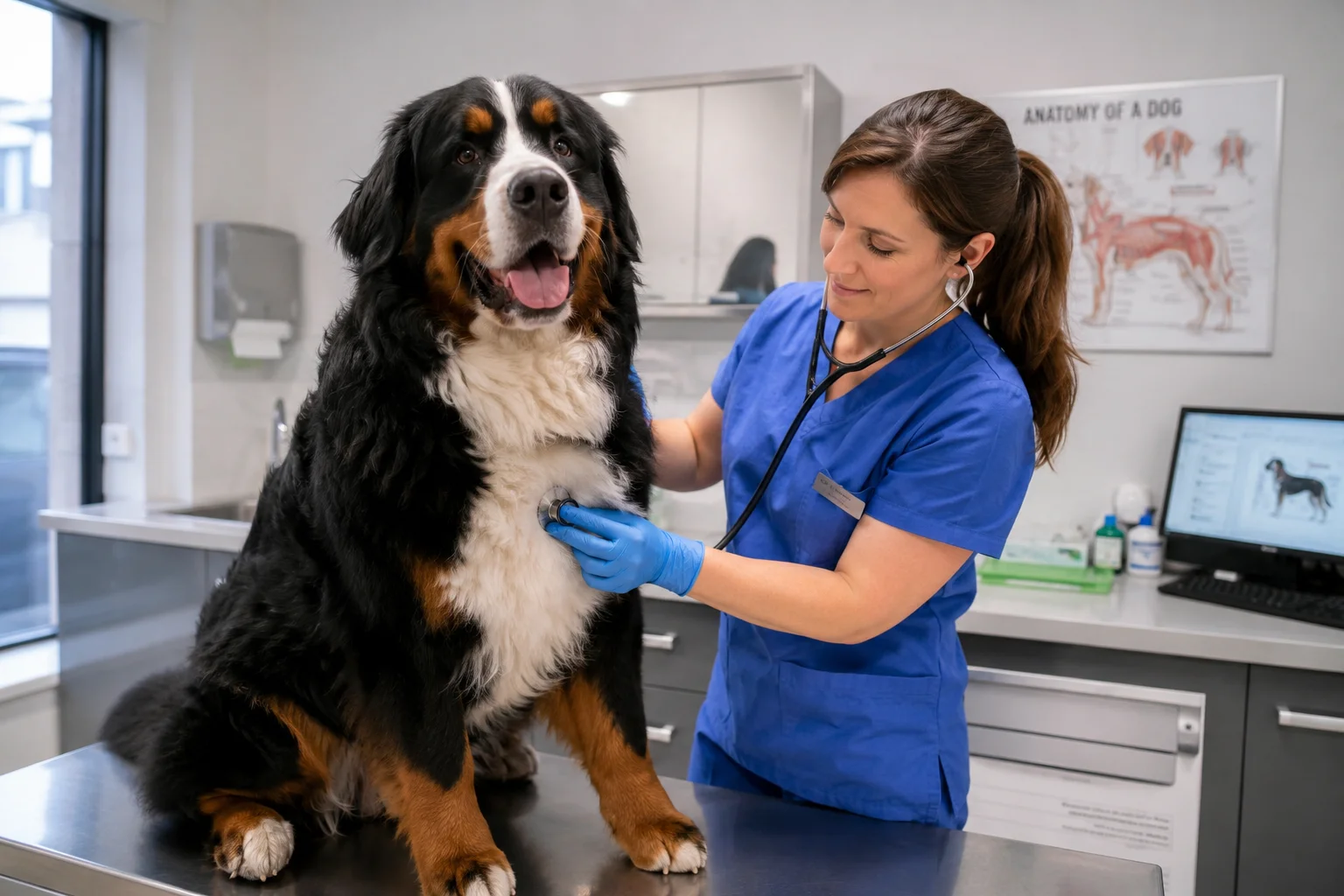
Facing a Pet Emergency: Why Every Second Counts
As pet owners, our worst nightmare is seeing our beloved companion in sudden pain, distress, or danger. Whether it is an unexpected injury at the dog park, an accidental ingestion of a toxic household plant, or a sudden collapse, a medical emergency tests our composure like nothing else.
During these high-stress moments, panic is your biggest enemy. Knowing exactly what steps to take beforehand allows you to act decisively, protecting your pet from further harm and ensuring they receive professional medical care as fast as possible.
Recognizing the Signs of a Real Veterinary Emergency
It can sometimes be difficult to distinguish between a minor discomfort that can wait until morning and a critical condition requiring immediate intervention. As a general rule, if you are unsure, it is always safer to contact a professional right away.
However, the following warning signs indicate a clear, severe emergency:
- Difficulty breathing: Heavy panting, gasping for air, choking, or blue/pale gums.
- Severe physical trauma: Being hit by a vehicle, falling from a height, or sustaining deep animal bites.
- Toxin ingestion: Consuming chocolate, lilies, rodent poison, human medication, or antifreeze.
- Neurological distress: Seizures, sudden disorientation, weakness, or loss of consciousness.
- Inability to urinate: Especially critical in male cats, which can indicate a fatal blockage.
- Severe bloating: A swollen, hard abdomen accompanied by unproductive vomiting, typical of GDV (bloat) in dogs.
The Immediate First Steps to Take at Home
When an emergency strikes, your actions before reaching the clinic can make a significant difference in your pet's recovery:
1. Keep Calm and Protect Yourself
Animals in extreme pain or fear may instinctively bite or scratch, even at their owners. Approach your pet slowly and gently. Speak in a low, soothing voice. If necessary, use a blanket or a towel to carefully wrap a cat or small dog to prevent them from hurting themselves or you while moving them.
2. Do Not Administer Human Medication
Never attempt to give your pet human painkillers, such as ibuprofen or paracetamol. These medications are extremely toxic to cats and dogs and can cause fatal organ failure within hours.
3. Call Ahead Before Transporting
Whenever possible, call the emergency clinic while you are on your way. Alerting the veterinary team allows them to prepare the trauma room, oxygen tanks, or surgical instruments before you arrive, saving vital minutes.
4. Bring Vital Health Records
Emergency vets often need to know your pet's medical history, current medications, allergy details, or vaccination status. Having these records organized on your phone ensures you can share them instantly without searching through paper files at home.
3 Practical Tips to Be Prepared Before an Emergency Happens
You cannot predict an accident, but you can prepare for one. Here is how to build a safety net today:
- Keep a basic pet first-aid kit: Store bandages, sterile gauze, saline solution, a digital thermometer, and tweezers in an easily accessible pouch.
- Know your local emergency clinics: Standard clinics are often closed at night or on weekends. Save the contact details and locations of 24/7 emergency facilities in advance.
- Store all health data digitally: Keep digital copies of your pet’s vaccine history, microchip number, and medical conditions directly on your smartphone for instant access anywhere.
Frequently Asked Questions
Should I induce vomiting if my pet eats something toxic?
Do not attempt to make your pet vomit unless explicitly instructed to do so by a veterinarian. Certain chemicals or sharp objects cause more damage coming back up through the esophagus.
How do I know if my pet is in shock?
Signs of shock include extremely pale or white gums, rapid pulse, cold paws, shallow breathing, and extreme lethargy or unresponsiveness. Keep your pet warm with a blanket and head directly to a clinic.
How can an app help in a pet emergency?
An emergency app gives you immediate access to nearby emergency vet locations and contact numbers with a single tap, while keeping your pet's full medical history ready to share with the vet team.
Stay Prepared for Any Situation with Keia
Accidents happen when we least expect them, but being organized gives your pet the best chance at a full recovery. With the Keia app, you can store your pet’s complete health records, track active medications, and find nearby veterinary services instantly when seconds matter most.
Protect your furry family member today. Download Keia on iOS or Android and keep peace of mind right in your pocket!

The information provided on this blog is for educational and informational purposes only and does not constitute veterinary medical advice. Always consult a qualified veterinarian for any questions regarding your pet's health or behavior.