If you ask most people what a pet turtle needs, the answer is usually pretty simple: "A tank, some water, and those little dried shrimp."
Unfortunately, this pervasive, overly simplistic view is exactly why turtles are among the most frequently neglected pets in the reptile world. They don't cry out when they're cold, they don't lose weight rapidly like a mammal, and they often take months, sometimes even years, to slowly deteriorate from metabolic conditions caused by a lack of basic environmental care.
Taking on a turtle means accepting a long-term guardianship—potentially 30 to 50 years. Their survival isn't dictated by their willpower; it’s dictated entirely by the microenvironment you create for them. Their metabolism, their immunity, and the very structure of their shell depend entirely on the interplay of heat, light, and specific nutrients. When any one of these three elements is missing or inadequate, the results are almost always disastrous.
Aquatic or Terrestrial? Getting the Environment Right First
The first mistake keepers make is applying generic "turtle care" to every species. You must build your husbandry around whether your pet lives in water or on land. Misplacing them will cause severe medical distress or death in very short order.
The Aquatic Setup (e.g., Sliders, Painted Turtles)
Aquatic turtles spend 90% of their life in the water. They are designed for swimming and need substantial water depth (typically 1.5 to 2 times the turtle's shell length) to do so comfortably. However, a filter and deep water are only half the battle.
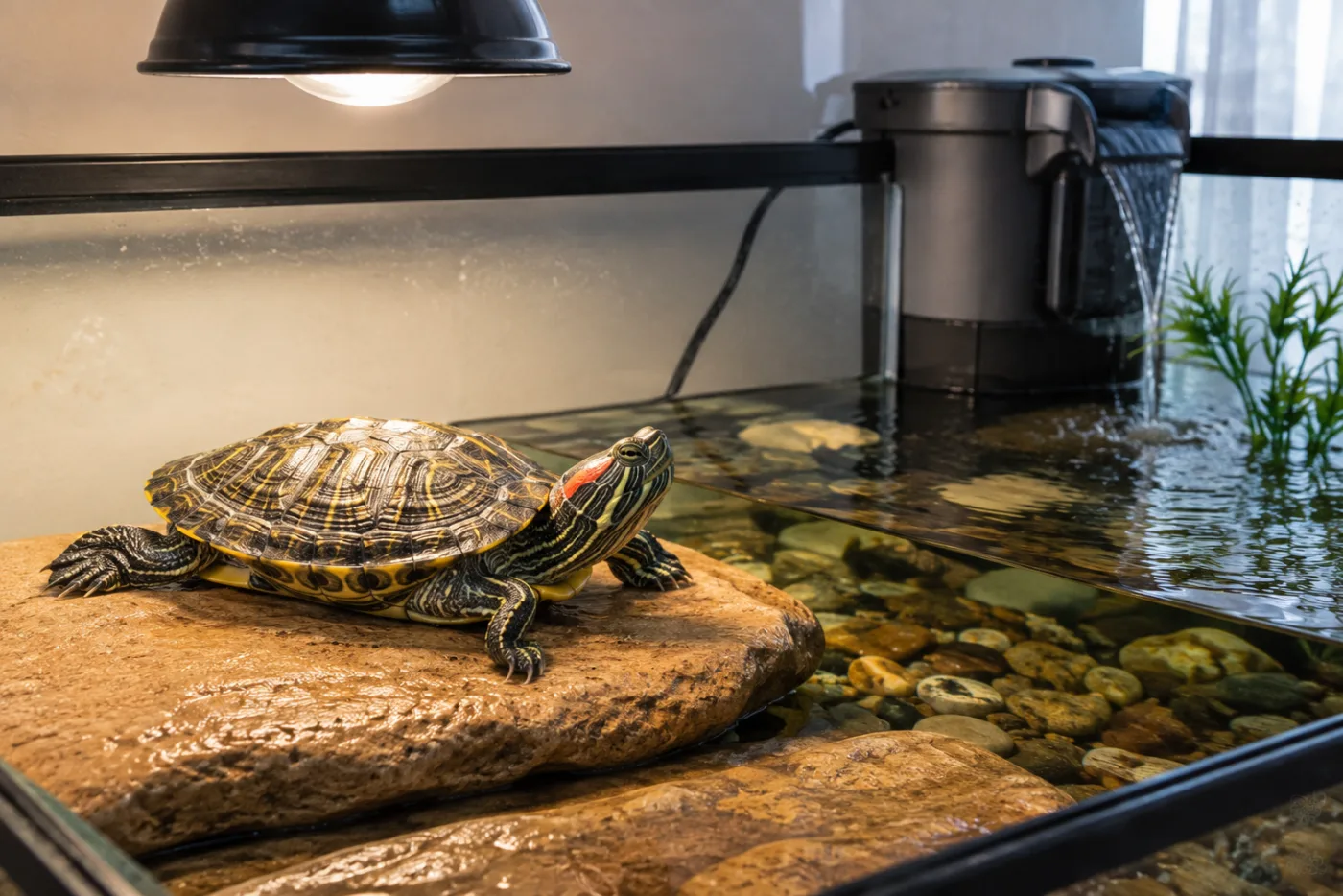
The absolute most critical component of an aquatic setup is the basking area. This must be a completely dry platform where the turtle can pull its entire body, including its belly shell (the plastron), out of the water. If an aquatic turtle cannot get 100% dry on a regular basis, the trapped moisture between the scutes will foster bacterial and fungal infections, leading to painful shell rot.
The Terrestrial Setup (e.g., Box Turtles, Tortoises)
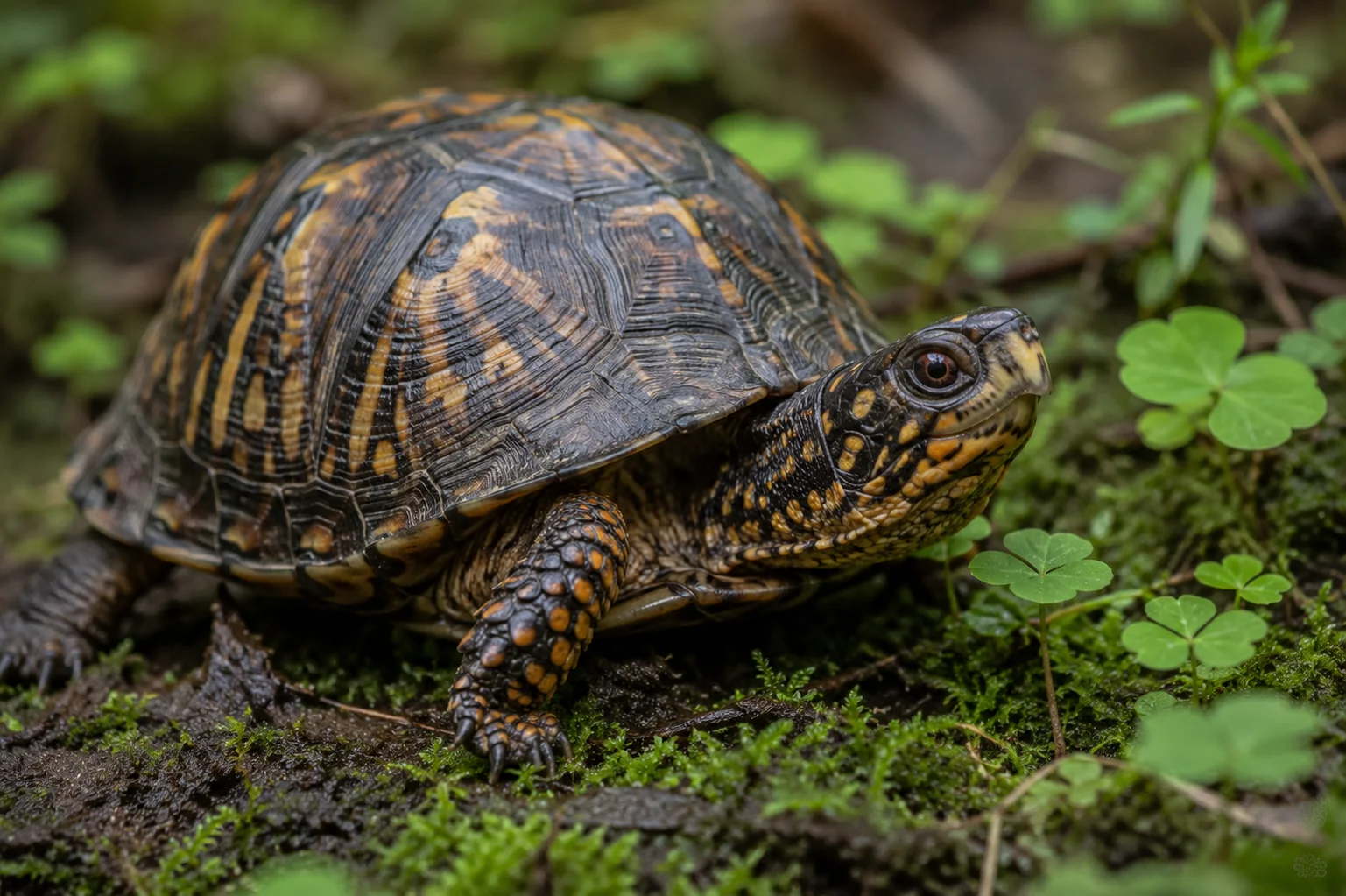
Terrestrial species like Box Turtles are often sold to people who assume they are aquatic. They are not. A Box Turtle will happily soak in a shallow dish, but placing one in deep water is a drowning risk.
They require a land-based enclosure—ideally a wooden "tortoise table" or large tub—filled with 4-6 inches of a burrow-able substrate (like a mix of topsoil, play sand, and coconut coir) that holds humidity well. They need hide boxes to feel secure and regular shallow soaking dishes where they can drink and self-regulate hydration without risk.
The Non-Negotiable Core: Heat and UVB Lighting
If you take away nothing else from this article, remember this: Heat and ultraviolet B (UVB) light are not optional. They are the engine of your turtle’s survival. As ectothermic reptiles, their bodies cannot function properly when they are cold.
Why They Need a Basking Lamp
This bulb creates a concentrated warm zone (ranging from 88°F to 95°F or 31°C to 35°C, depending on the species) directed specifically at the dry basking platform or land zone. Heat is what kickstarts their metabolism. When your turtle is warm, it can break down food, absorb nutrients, move, and fight off potential infections.
Why They Absolutely Need UVB Light
UVB light is the most critical element often missed by novice keepers. This specific spectrum of ultraviolet light is essential for the natural synthesis of Vitamin D3. Why does that matter? Without active Vitamin D3, a turtle's body cannot absorb calcium from its food, no matter how much you feed it or supplement it.
A serious lack of UVB exposure triggers a horrifying condition called Metabolic Bone Disease (MBD). To keep its internal vital functions running, the turtle’s body will slowly strip the calcium directly from its own bones and shell, making them soft, deformed, and rubbery.
Crucial Warning: Standard glass windows and plastic or metal mesh screens block up to 95% of UVB rays. Setting your turtle’s tank next to a sunny window is useless for UVB and can easily cause the tank to dangerously overheat. UVB bulbs also wear out. They lose their UV output entirely after 6 to 12 months, even if the light itself still looks bright. They must be replaced on a strict schedule.
Recognizing Metabolic Bone Disease and Shell Issues
MBD is slow, silent, and painful. Because reptiles have a slow metabolic rate, the damage builds over months before any obvious symptoms appear. By the time a keeper notices the signs, the condition is often advanced.
Common Signs of a Weak or Damaged Shell:
- Soft or "Rubbery" Shell: In an adult turtle, the shell should be firm and solid. If you gently press the edges and it feels soft, flexible, or spongy, MBD is widespread.
- "Piramiding": The individual scutes on the shell grow into unnatural, sharp cone shapes instead of laying flat. This is a classic sign of incorrect diet (usually too much protein), poor UVB exposure, and often, low humidity.
- Swollen or Sealed Eyes: Swollen eyes are a hallmark sign of Vitamin A deficiency or a bacterial infection from dirty water.
- Shell Rot: White patches, soft pitting, or weeping spots that emit a foul odor mean a bacterial or fungal infection is actively eating away at the shell bone.
Nutritious Feeding: Moving Beyond Commercial Dried Shrimp
Feeding your turtle generic food sticks and dried shrimp is like raising a child on potato chips. It lacks the complex nutrition, calcium-to-phosphorus ratios, and essential vitamins (like Vitamin A) needed for organ health and shell strength.
Diet for Terrestrial Box Turtles
Box turtles are omnivores with appetites that shift by age. Young turtles need more protein; adults require a vegetable-heavy diet.
- Leafy Greens (50%+): Dandelion greens, collard greens, turnip greens, romaine lettuce, and various edible weeds. Avoid too much spinach (which blocks calcium absorption).
- Vegetables & Fruit (30%): Grated squash, carrots, red bell peppers, and occasional berries or melon as a treat.
- Invertebrates & Protein (20%): Earthworms, gut-loaded crickets, and occasional dubia roaches, all dusted with calcium powder.
Diet for Aquatic Turtles
Aquatic turtles (like Sliders) are aggressive carnivores when young, but must transition to an omnivorous diet as adults. Too much protein in mature aquatic turtles will lead to organ failure and obesity.
- For Juveniles: Small earthworms, high-quality pellets, and gut-loaded insects.
- For Adults: Focus heavily on plants: floating leafy greens, Anacharis, and Water Lettuce, restricting pellets to 2-3 times a week.
How Keia Simplifies Turtle Health Management
Turtles do not have standard, daily signs of distress until they are critically ill. This means long-term data logging is your best defense against slow metabolic disease. Because Keia allows you to log specific health data for reptiles, it becomes a vital tool in your turtle’s survival kit.
Here is how using Keia keeps your prehistoric pet healthy:
- Recurring UVB Bulb Reminders: Set a specific notification every 6 or 12 months (based on your bulb type) to swap the UVB bulb out. This ensures your pet never goes a day without Vitamin D3 synthesis.
- Track Monthly Weight and Shell Measurements: Weighing your turtle on a digital kitchen scale and measuring its carapace length monthly and logging it in Keia is your early warning system. Rapid weight loss in a reptile is often the first indicator of parasites or organ trouble.
- Filter Maintenance and Water Changes: Schedule weekly water changes and regular deep filter cleaning reminders to prevent Ammonia spikes that cause eye infections and shell rot.
- Digital Medical History: Keep all your veterinary stool sample results, blood work, and exotic vet contacts in one secure, accessible place.
A Commitment to Longevity
A turtle is a pet for life—literally. With correct heating, specific UVB lighting, the proper species-specific diet, and a clean environment, these quiet, long-lived creatures will be a steady presence for decades. Building their habitat correctly and committing to their specialized health tracking is the greatest investment you can make in your unique companion.
The information provided on this blog is for educational and informational purposes only and does not constitute veterinary medical advice. Always consult a qualified veterinarian for any questions regarding your pet's health or behavior.