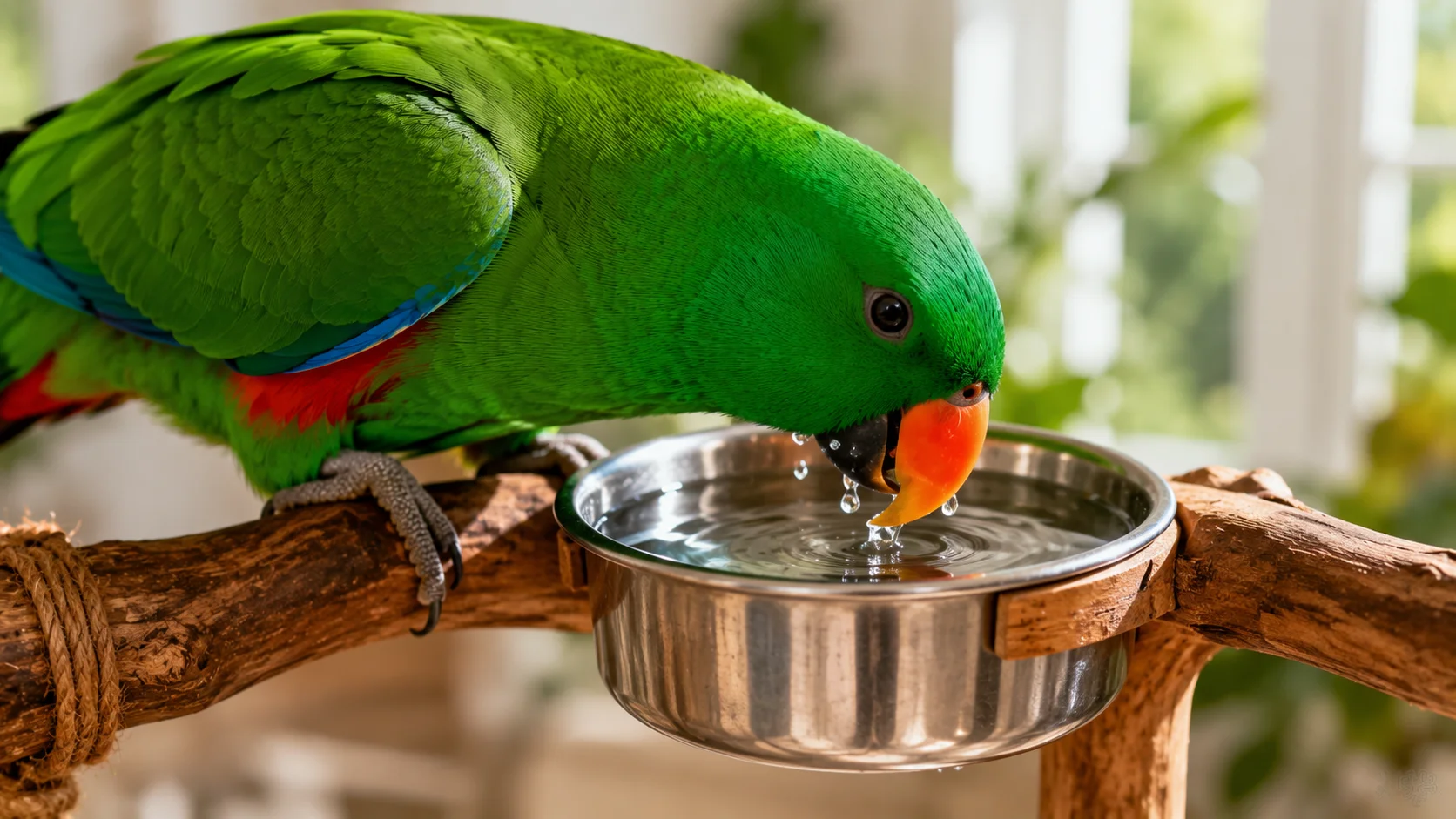
Parrots are vibrant, highly intelligent companions whose unique biology demands precise daily care. Among the foundational elements of avian wellness, proper hydration stands out as one of the most vital—yet frequently misunderstood—aspects of keeping a bird healthy. Because parrots have rapid metabolisms and delicate organ systems, maintaining ideal fluid balance is essential to supporting their longevity, physical vitality, and daily mood.
In their native wild habitats—ranging from lush tropical rainforests to arid Australian woodlands—parrots gather moisture from diverse sources. They sip clean rainwater from forest canopies, drink from fresh rivers, and consume a diet rich in wild fruits, blossoms, native seeds, and nutrient-dense vegetation. In a home environment, however, parrots rely entirely on their caregivers to recreate these hydration opportunities. Understanding how water impacts your bird's internal systems, recognizing the early warning signs of dehydration, and introducing creative drinking habits can dramatically improve your parrot's quality of life.
Why Hydration is Essential for Avian Health
Water is an active participant in virtually every physiological mechanism within a parrot’s body. Unlike mammals, birds have metabolic pathways specifically tailored for flight, rapid energy conversion, and fast digestion. Without adequate fluid levels, these systems quickly experience strain.
- Efficient Digestion & Crop Function: When a parrot eats, food first enters the crop—a specialized pouch in the esophagus where initial softening occurs. Water moistens seeds, pellets, and dry foods, allowing smooth passage into the proventriculus (stomach) and gizzard. Insufficient water can lead to crop impaction, slow crop transit, or severe digestive blockages.
- Kidney Health & Uric Acid Excretion: Avian kidneys process metabolic waste differently than mammalian kidneys. Instead of liquid urea, birds excrete nitrogenous waste primarily as uric acid. Ample hydration keeps the renal tubules clear and prevents uric acid crystals from accumulating, which helps protect your bird against painful visceral or articular gout.
- Thermoregulation & Respiration: Parrots lack sweat glands. To cool down in warm environments or after energetic flight, they rely on panting (rapid respiration) to release heat through evaporation. This cooling mechanism causes rapid fluid loss, which must be replenished consistently to prevent heat stroke.
- Feather Development & Skin Health: Healthy plumage requires hydrated skin. Dehydration leads to dry, itchy skin, dander accumulation, and brittle feathers. During molting cycles—when growing new feathers requires intense metabolic energy—proper hydration is crucial for healthy sheath development and stress reduction.
Recognizing Dehydration in Parrots
As prey animals in nature, parrots possess a powerful instinct to conceal physical weakness or illness. By the time a parrot appears visibly sick, an underlying health issue may already be advanced. Because of this, bird owners must learn to spot subtle physical and behavioral cues of dehydration early.
Physical Indicators:
- Sunken, Dull, or Dry Eyes: A healthy parrot’s eyes are wide, shiny, and responsive. In a dehydrated bird, the eyes may appear slightly hollowed, lack their usual brightness, or show slight skin wrinkling around the eye ring.
- Loss of Skin Elasticity: While feathers cover most of the body, you can check skin elasticity on bare areas, such as the feet or the skin around the beak. Dehydrated skin appears dry, flaky, or slow to snap back into place when gently examined.
- Thickened Saliva or Dry Mucous Membranes: Opening a bird's beak slightly during routine checks should reveal a pink, moist interior. A tacky, sticky, or visibly dry mouth signals fluid loss.
- Changes in Droppings: Avian droppings consist of three distinct components: feces (the solid green or brown portion), urates (the opaque white waste), and urine (the clear liquid). A noticeable reduction or total absence of the clear liquid urine portion strongly suggests dehydration.
Behavioral Indicators:
- Lethargy & Fluffed Feathers: A dehydrated parrot often conserves body heat and energy by sitting motionless on a perch with its feathers puffed up.
- Loss of Balance or Weakness: Fluid loss leads to muscle weakness, causing a bird to perch lower than usual, sit on the cage floor, or struggle to grasp perches securely.
- Decreased Vocalization & Appetite: Dehydrated birds become quiet, lose interest in interaction, and refuse hard dry foods because their mouths are too dry to swallow comfortably.
Best Practices for Daily Water Care
Providing water seems simple, but maintaining safe avian drinking habits requires attention to cleanliness and water quality.
- Change Water Multiple Times Daily: Parrots love dipping their food, toys, and wood blocks into their water bowls, creating a warm liquid mixture that quickly breeds bacteria. Refresh the bowl at least twice a day—ideally morning and evening—or immediately whenever it gets soiled.
- Choose Non-Porous Bowl Materials: Avoid cheap plastic dishes, which develop micro-scratches over time that harbor dangerous bacteria. Heavy-duty stainless steel and non-porous ceramic dishes are durable, easy to sanitize, and safe from strong beak chews.
- Filter Your Tap Water: Municipal tap water often contains heavy metals, excess minerals, or chlorine levels that can irritate a parrot's sensitive system. Using a reliable water filter or offering fresh bottled spring water provides a much safer daily option.
- Sanitize Equipment Daily: Wash all water bowls daily using hot water and mild dish soap. Ensure bowls are completely dried before refilling, as moisture pockets on outer edges can trap room dust and mold spores.
Creative Ways to Encourage Your Parrot to Drink More
If your parrot is a reluctant drinker or eats a predominantly dry seed diet, you can use natural behaviors and enrichment to boost their fluid intake.
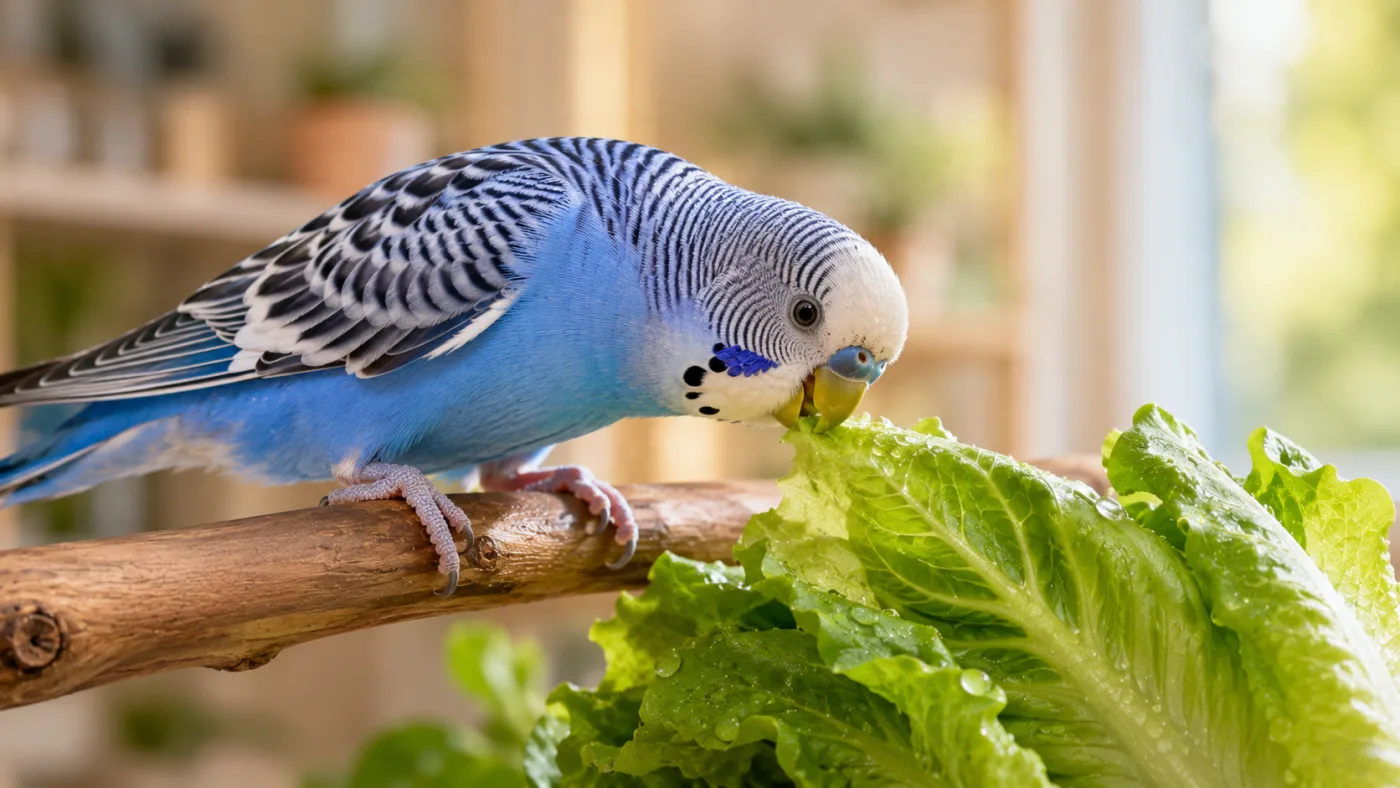
- Serve Fresh "Chop" & Water-Rich Produce: Incorporate raw, bird-safe vegetables and fruits into their daily diet. Celery, cucumbers, zucchini, romaine lettuce, bell peppers, blueberries, melon, and cooked squashes provide excellent natural hydration alongside essential vitamins.
- Hang Wet Leafy Greens: Take freshly washed kale, spinach, dandelion greens, or Swiss chard and hang them wet from the top bars of the cage using a stainless steel clip. Parrots love rubbing their faces against the moist leaves, bathing in them, and licking the water droplets off the foliage.
- Introduce Interactive Fountains or Misting: Many parrots are drawn to moving water. A small, bird-safe pet fountain or a fine misting bottle can transform hydration into a fun game. Spraying a light mist above your bird encourages them to preen, open their wings, and lap up falling droplets.
- Offer Flavor-Infused Herbal Teas: If a parrot hesitates to drink plain water, offer cooled, caffeine-free herbal teas such as chamomile, peppermint, or rosehip tea. You can also mix a few drops of 100% pure unsweetened organic apple or pomegranate juice into their water dish as an occasional incentive.
Protecting Your Parrot's Long-Term Wellness
Monitoring daily fluid intake and keeping drinking stations clean are basic steps that yield massive benefits for your parrot's longevity. By pairing clean water habits with fresh, hydrating foods and playful bathing opportunities, you give your bird the daily foundation it needs to thrive. If you ever suspect your parrot is suffering from severe dehydration, lethargy, or sudden behavioral shifts, consult a certified avian veterinarian immediately for professional care.
The information provided on this blog is for educational and informational purposes only and does not constitute veterinary medical advice. Always consult a qualified veterinarian for any questions regarding your pet's health or behavior.