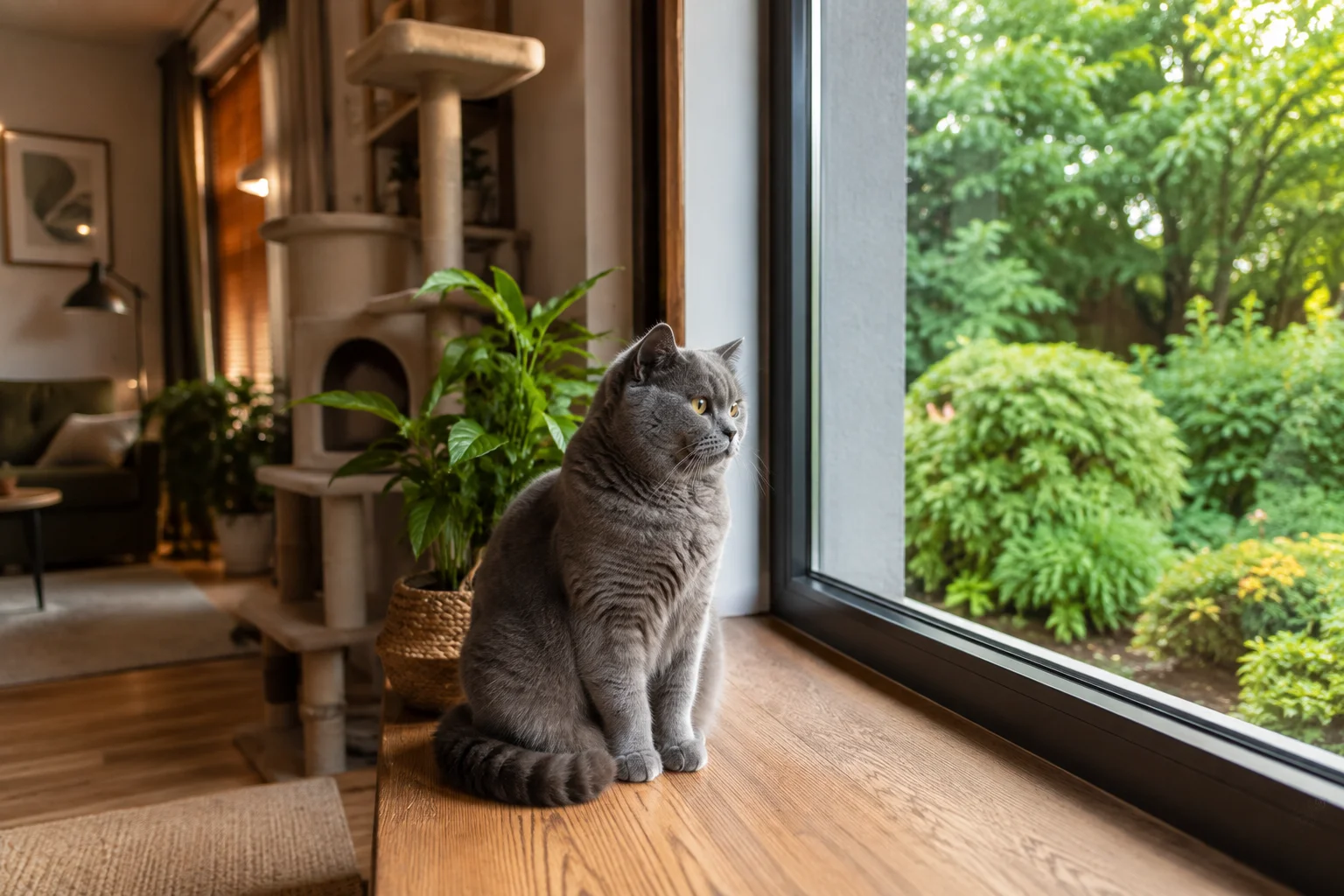
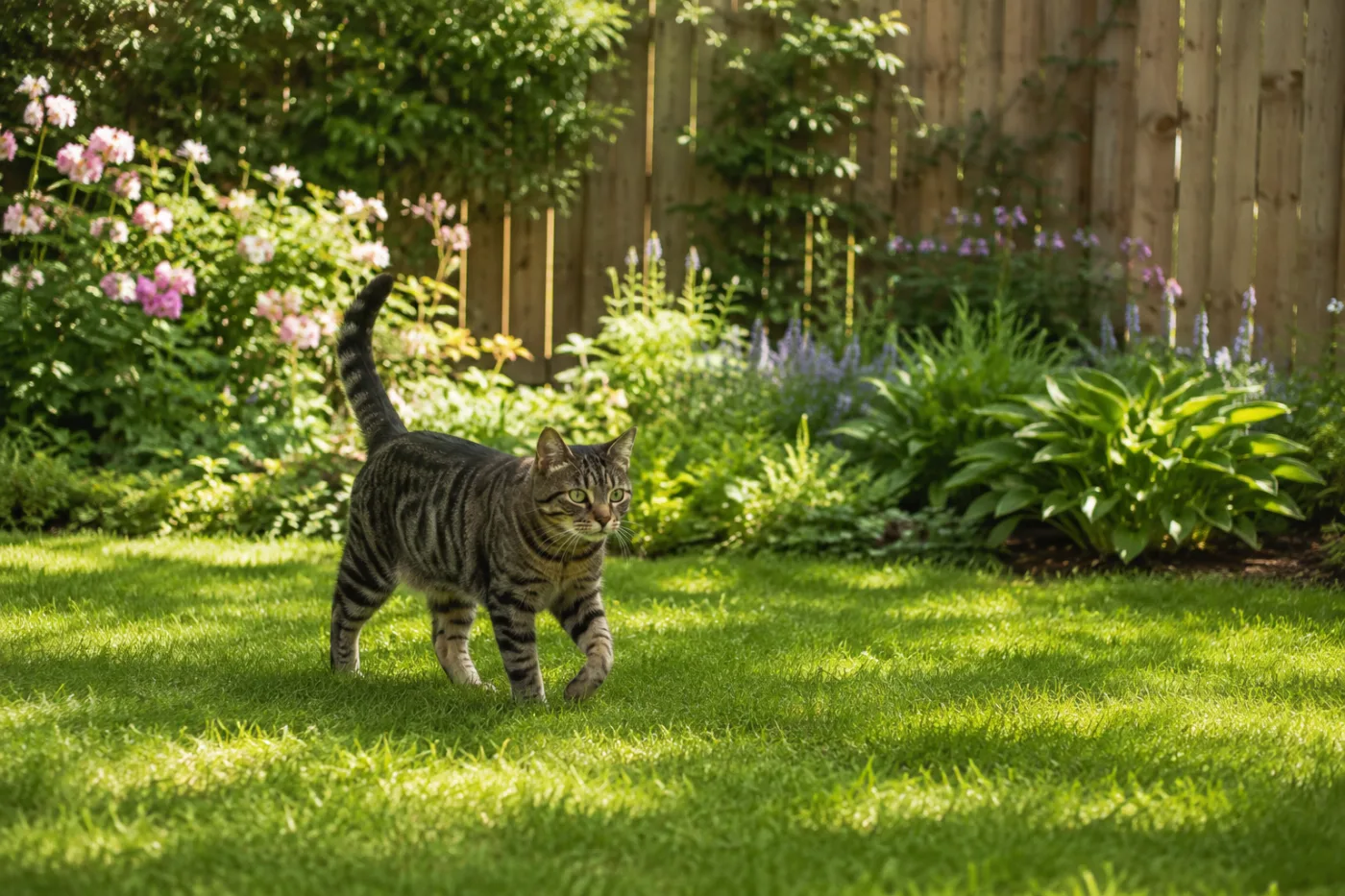
Ask ten different cat owners whether cats belong strictly indoors or should be allowed to roam outside, and you will likely get ten passionately different answers.
On one side, people argue that letting a cat roam outside allows them to live a full, natural life—climbing trees, hunting mice, and exploring their territory. On the other side, veterinarians and animal welfare organizations point to sobering statistics: strictly indoor cats live an average of 12 to 18 years, whereas cats allowed to roam freely outdoors have a significantly reduced average lifespan of just 2 to 5 years.
This stark difference isn't a coincidence. While the outdoor world provides endless mental stimulation, it is packed with unpredictable physical threats. Conversely, a home offers complete protection from external dangers, but it can easily lead to physical and mental stagnation if the environment isn't properly set up for a feline predator.
Understanding these trade-offs allows you to make the best choice for your pet and bridge the gap between absolute safety and a fulfilling lifestyle.
1. The Outdoor Reality: Dangers, Diseases, and Shortened Lifespans
It is easy to romanticize the idea of a cat sunbathing in a backyard or stalking through tall grass. However, from a veterinary perspective, the outdoors is an unpredictable hazard zone for domesticated felines.
The Primary Outdoor Threats:
- Traffic and Accidents: Vehicular accidents are the leading cause of sudden, violent death in outdoor cats. Even in quiet suburban neighborhoods, cars moving at low speeds or pulling out of driveways pose a constant danger.
- Incurable Viral Diseases: Unvaccinated or free-roaming cats frequently come into contact with stray populations. This exposes them to incurable and fatal viral infections, including FIV (Feline Immunodeficiency Virus) and FeLV (Feline Leukemia Virus), both of which are spread through bites, fights, or shared grooming.
- Toxins and Poisoning: Outdoor cats routinely ingest dangerous substances. Common culprits include spilled automotive antifreeze (which has a sweet taste but causes rapid kidney failure), rodent poisons consumed directly or through poisoned prey, and toxic garden plants like lilies.
- Territorial Fights and Trauma: Cats are fiercely territorial. Fights with other cats lead to deep bite wounds that quickly form painful, infected abscesses. Outside urban areas, cats are also vulnerable to larger predators such as coyotes, stray dogs, and birds of prey.
- Parasites and Environmental Hazards: Fleas, ticks, intestinal worms, and ringworm are exponentially more common in outdoor cats, requiring constant chemical treatments and creating potential health risks for human family members.
Given these factors, keeping a cat indoors is the single most effective decision you can make to guarantee a long, healthy life.
2. The Indoor Challenge: Boredom, Obesity, and Behavioral Stress
Choosing to keep your cat inside eliminates outdoor threats, but it creates a new set of challenges. Domestic cats are micro-predators engineered by evolution for movement, exploration, hunting, and territory maintenance.
When confined to four bare walls with no outlets for these biological drives, cats don't just get lazy—they get stressed, overweight, and sick.
Common Health Issues in Indoor Cats:
- Sedentarism and Obesity: Without room to sprint or the drive to hunt for survival, indoor cats spend up to 80% of their day sleeping or eating out of sheer boredom. Feline obesity is directly linked to type 2 diabetes, painful joint arthritis, and hepatic lipidosis (fatty liver disease).
- Stress-Induced Urinary Issues: Cats are extraordinarily sensitive to their surroundings. A lack of environmental control or mental outlet causes chronic low-grade anxiety. In cats, stress manifests physically in the bladder, leading to Feline Idiopathic Cystitis (FIC) or life-threatening urinary blockages, particularly in males.
- Behavioral Frustration: An under-stimulated cat will redirect its pent-up energy into destructive habits. This includes scratching furniture, knocking items off counters, night crying, aggression toward owners, or compulsive over-grooming that leads to bald spots.
3. "Catification": How to Create an Indoor Paradise
The good news is that you don't have to choose between a short, dangerous outdoor life and a boring, unhealthy indoor existence. Through a process known in feline behavioral medicine as "Catification," you can adapt your indoor living space to meet every biological drive your cat possesses.
Practical Ways to Enrich Your Home:
- Maximize Vertical Space: Cats view their world in three dimensions. Climbing allows them to feel safe and survey their domain. Install wall-mounted cat shelves, tall scratching posts, or window perches to give them high vantage points.
- Create a "Cat TV" Window Area: Position a sturdy cat tree or cushioned perch next to a window. Installing a bird feeder on the outside glass provides hours of safe, visual stimulation that keeps their brain active.
- Ditch the Standard Food Bowl: In the wild, cats work for their food. Replace open food bowls with puzzle feeders, treat balls, or foraging toys. Making your cat use its paws and brain to extract kibble slows down rapid eating and combats boredom.
- Daily Interactive Play Sessions: Spending 10 to 15 minutes twice a day playing with a feather wand or rod toy mimics the natural sequence of hunting: stalk, chase, pounce, kill. Always finish a play session by giving your cat a treat or a small meal so they feel they successfully completed the hunt.
- Strategic Scratching Options: Scratching is a physical requirement to shed claw sheaths and mark territory visually and scent-wise. Place heavy, sisal-wrapped scratching posts near sleeping areas and main entryways.
4. The Best of Both Worlds: Controlled Outdoor Access
If you want your cat to experience fresh air, sunlight, and natural textures without exposing them to cars and predators, controlled outdoor access offers the perfect middle ground.
- The "Catio" (Cat Patio): A catio is a fully enclosed, mesh-screened outdoor patio or balcony structure attached to your home. It allows your cat to step outside through a window or flap, enjoy the breeze, and watch insects safely behind escape-proof mesh.
- Harness and Leash Walking: Many indoor cats can be trained to walk comfortably on a leash. Use an H-style or vest-style harness specifically designed for cats (never attach a leash to a neck collar). Start training indoors slowly before venturing into a quiet garden or park.
- Catio-Style Escape-Proof Fencing: If you have a private yard, specialized inward-angled fencing toppers or rolling fence bars can prevent your cat from climbing over while keeping neighborhood animals out.
5. Managing Your Cat's Health with Keia
Whether your cat is strictly an indoor sleeper or an adventurer enjoying a catio, proactive health tracking is essential for catching subtle changes before they turn into medical emergencies.
Here is how Keia helps you maintain your cat’s long-term wellness:
- Weekly Weight Tracking: Obesity happens slowly, making it hard to notice under a thick coat of fur. Logging your cat's weight weekly in Keia helps you catch small weight gains early so you can adjust diet portions before health issues arise.
- Monitoring Hydration and Litter Box Habits: Indoor cats are prone to kidney disease and urinary issues. Tracking daily water intake and logging any changes in litter box frequency gives your vet vital data to spot early signs of cystitis or kidney trouble.
- Preventive Reminders: Even indoor cats need regular flea treatments, deworming, and core vaccinations (parasites and viruses can easily be tracked inside on human shoes and clothing). Keia sends timely alerts for every scheduled treatment.
- Digital Medical History: Store vaccination certificates, bloodwork results, microchip numbers, and vet notes in one central location, making routine checkups and emergency visits smooth and organized.
Prioritizing Safety and Quality of Life
When considering the choice between an indoor or outdoor lifestyle, veterinary science offers a clear verdict: an indoor-protected cat will almost always live a longer, healthier, and safer life.
As cat owners, our goal isn't simply to keep our pets inside four walls, but to make those walls as rich, exciting, and supportive as possible. By enriching their environment, providing structured play, and monitoring their health closely, you can offer your cat the ultimate gift: a long life filled with comfort, safety, and endless satisfaction.
The information provided on this blog is for educational and informational purposes only and does not constitute veterinary medical advice. Always consult a qualified veterinarian for any questions regarding your pet's health or behavior.