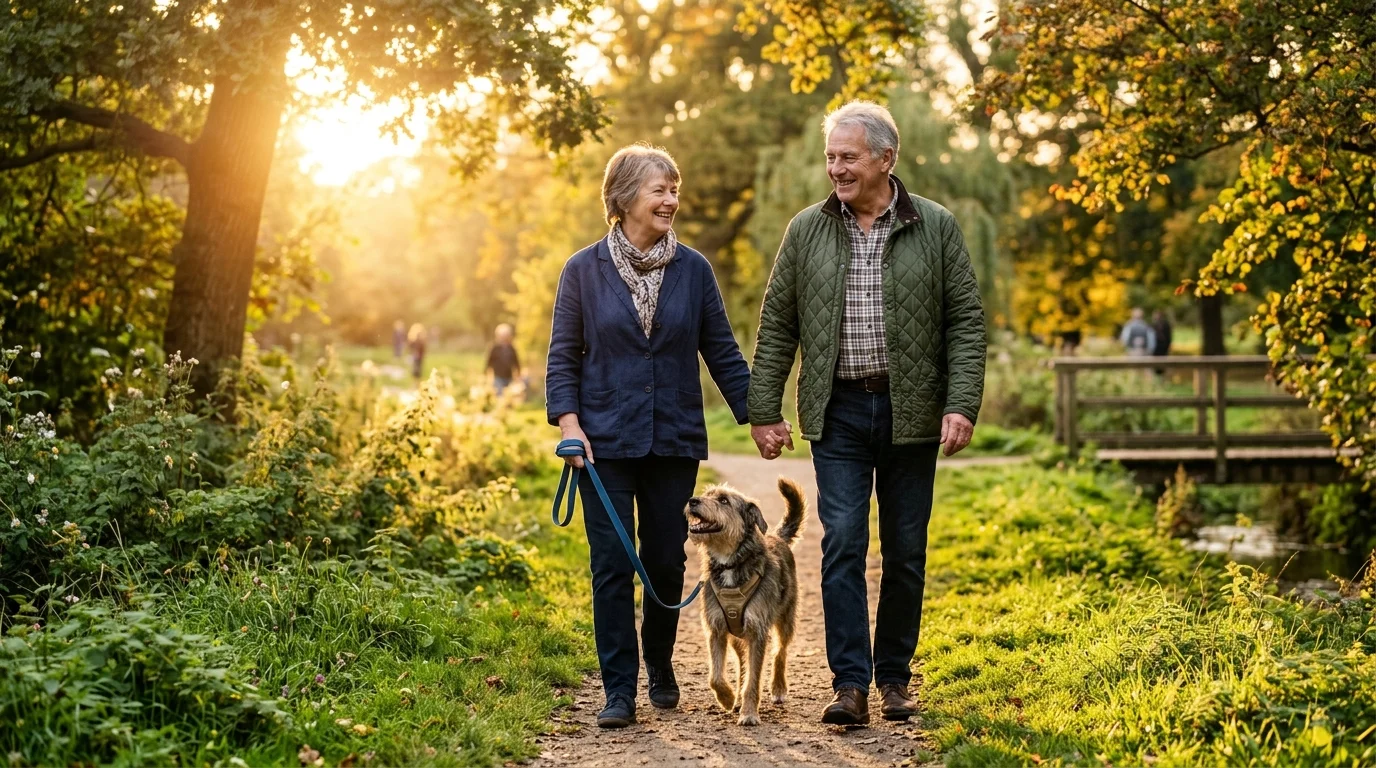
As human beings age, life naturally undergoes profound structural transitions. The arrival of retirement, the emptying of the family home as children build independent lives, and the gradual shrinking of personal social networks often leave a noticeable void. For many older adults, this shift brings a quiet, subtle transition toward a more sedentary and isolated routine. While these changes are a normal part of the aging process, prolonged isolation and lack of regular engagement can take a silent toll on physical vitality, mental sharpness, and emotional well-being.
In this delicate chapter of life, bringing a companion animal into the home is far more than a simple lifestyle choice—it can be a transformative experience. Whether it is a loyal dog gently requesting a morning walk or a purring cat settling quietly onto a warm lap, pets offer a unique blend of unconditional affection, physical motivation, and cognitive structure. Understanding how companion animals positively influence the aging process allows families and caregivers to harness this natural bond for healthier, happier senior years.
Combating Isolation and Fostering Emotional Well-Being
One of the most significant challenges facing older adults today is chronic loneliness. Social isolation is not merely a psychological discomfort; clinical research increasingly links prolonged loneliness to tangible physical health risks, including elevated stress responses and decline in emotional resilience.
- Constant, Non-Judgmental Companionship: Pets provide an unwavering presence within the home. They do not care about age, physical limitations, or speech speed. A dog or cat responds purely to kindness and attention, creating a safe emotional harbor where older adults feel heard, valued, and accepted without reservation.
- Breaking the Social Silence: Living alone often means spending long hours in complete silence. The simple presence of an animal—their gentle breathing, soft footsteps, or enthusiastic greeting at the door—instantly restores a feeling of warmth and life to a quiet living space.
- Natural Catalysts for Human Connection: Dogs act as incredible social icebreakers. When an older adult walks a dog through a park or neighborhood, spontaneous conversations with neighbors, children, and fellow pet owners occur effortlessly. These brief, pleasant daily interactions help seniors remain firmly woven into the fabric of their local community.
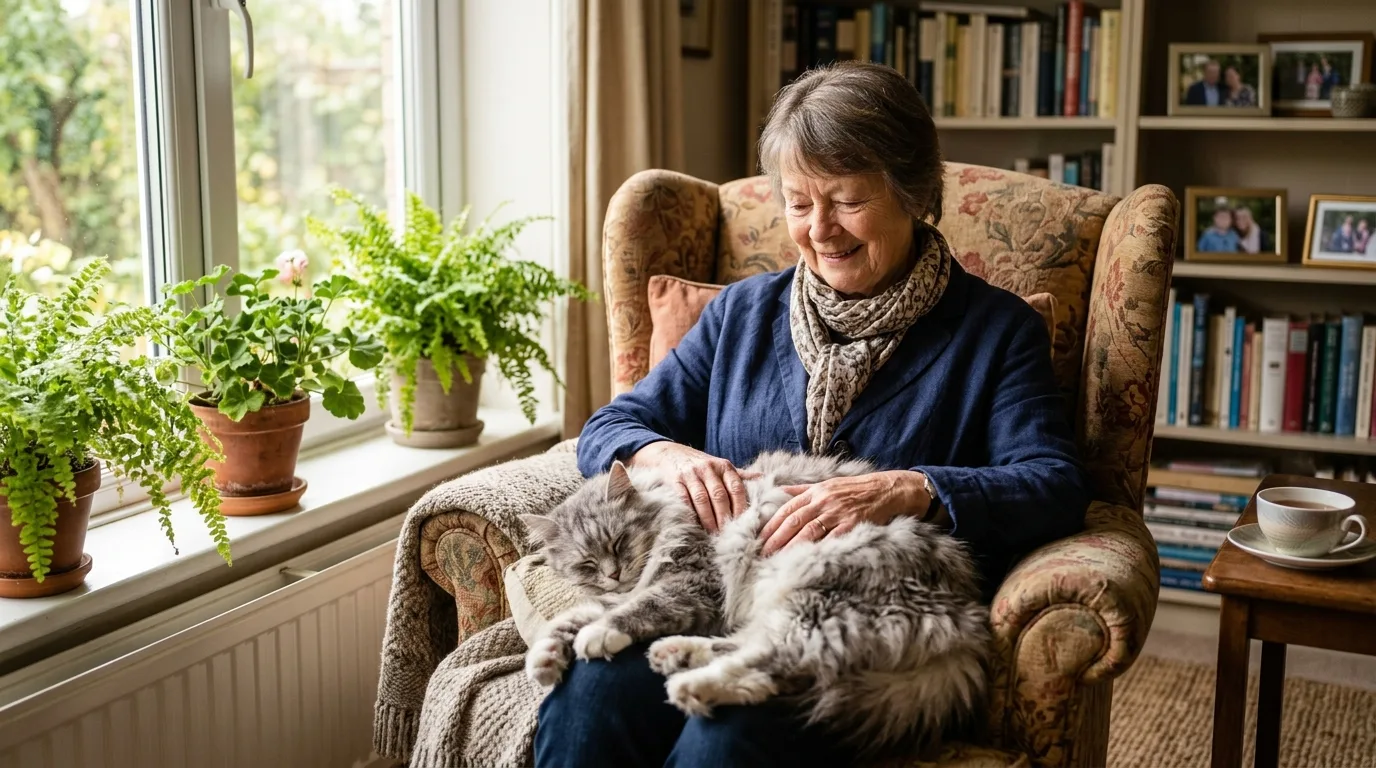
- The Neurochemistry of Touch: Human beings have a fundamental need for physical touch, a need that often goes unmet in older age. The physical act of stroking a cat’s fur or resting a hand on a dog’s back triggers an immediate neurological response: lowering the stress hormone cortisol while stimulating the release of oxytocin, dopamine, and serotonin.
Maintaining Physical Vitality and Functional Mobility
Maintaining joint mobility, muscle tone, and cardiovascular function becomes increasingly important as the body ages. However, finding the motivation to exercise purely for health reasons can feel clinical and uninspiring. A companion animal changes exercise from a chore into a rewarding daily habit.
- Encouraging Consistent Cardiovascular Exercise: Dogs require regular outdoor movement regardless of the season. For an older adult, taking two short or moderate walks a day promotes healthy blood circulation, supports blood pressure regulation, and helps maintain joint flexibility without putting excessive strain on the body.
- Preserving Fine Motor Skills: The daily care routines associated with pets require subtle, continuous physical engagement. Opening food cans, measuring kibble, fastening a leash collar, or gently brushing an animal's coat serves as excellent occupational therapy that keeps fingers, wrists, and arms active.
- Improving Balance and General Energy: Staying active alongside a pet helps preserve core strength and balance, which are crucial factors in preventing accidental falls. Over time, seniors who care for pets often display higher daily energy levels and greater physical stamina than their non-pet-owning peers.
Restoring a Sense of Purpose and Cognitive Sharpness
Beyond physical health, maintaining mental clarity and a sense of personal worth is essential for a high quality of life in senior years. The transition out of the workforce or traditional family caretaking roles can sometimes leave older adults feeling as though their contributions are no longer needed.
- The Power of Being Needed: A companion animal relies entirely on its owner for food, water, shelter, and affection. This simple reality reignites a profound sense of purpose. Knowing that a living creature depends on them gives seniors a compelling, fulfilling reason to get out of bed each morning with focus and intent.
- Establishing a Healthy Daily Structure: Animals thrive on routine. They expect meals, grooming, and outdoor time at consistent intervals. This natural rhythm provides a supportive framework for the owner’s day, encouraging regular sleeping and eating habits that benefit the senior’s health as well.
- Natural Brain Exercise and Memory Stimulation: Managing a pet's life acts as a gentle, continuous cognitive workout. Remembering feeding schedules, keeping track of dietary needs, managing medication times, and anticipating veterinary appointments help keep short-term memory and executive planning skills sharp in a meaningful, real-world context.
Key Considerations for Matching the Right Pet with an Older Adult
While the benefits of pet ownership are vast, achieving a safe, harmonious bond requires thoughtful planning. Not every animal is suitable for every living situation or physical ability level.
- Prioritizing Temperament Over Breed or Youth: High-energy puppies and young, untrained dogs can present significant physical challenges, including accidental tripping or pulling on the leash. Older, calm dogs with established manners or adult house cats are generally the safest, most compatible companions for seniors.
- Evaluating Size and Physical Control: Medium-to-small animals are much easier to manage during walks, simpler to lift if necessary, and far more comfortable to accommodate in apartments or retirement communities.
- Opting for Rescue and Mixed-Breed Animals: Rescuing a calm, mature mixed-breed dog or cat from a shelter often yields an exceptionally gentle, loving companion. These animals are frequently past their high-energy destructive phases and are deeply appreciative of a quiet home.
- Establishing a Support System: It is always responsible to establish a family or community contingency plan. Knowing that a adult child, friend, or neighbor is ready to assist with pet care during unexpected travel or medical stays gives the senior complete peace of mind.
Ultimately, the bond between an older adult and a companion animal is built on mutual care, quiet presence, and shared rhythm. By bringing a dog or cat into their lives, seniors gain far more than a pet—they welcome a dedicated friend that brightens the home, keeps the body moving, and restores a lasting sense of vitality to every single day.
The information provided on this blog is for educational and informational purposes only and does not constitute veterinary medical advice. Always consult a qualified veterinarian for any questions regarding your pet's health or behavior.