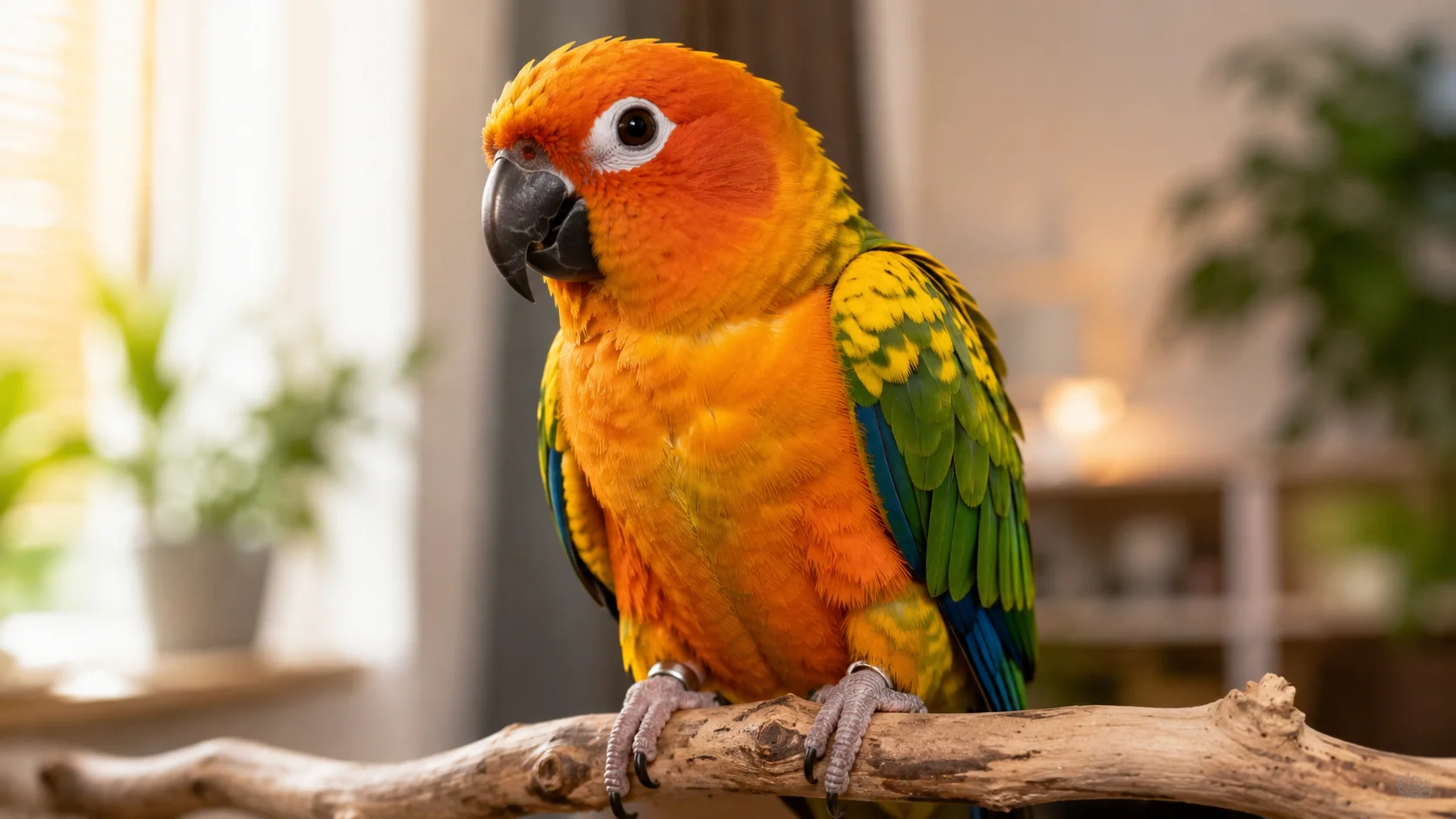
If you live with a parrot, you already know they are full of personality. They chatter, play, demand attention, and often make their opinions very clear. But when a parrot gets sick, their entire behavior flips in a way that is surprisingly easy to miss.
In the wild, a bird that looks weak or sick becomes an immediate target for predators. Because of this instinct, companion birds have evolved to be absolute masters at hiding their symptoms. By the time a parrot looks visibly ill—sitting puffed up at the bottom of the cage with their eyes closed—they have likely been sick for days, if not weeks.
Catching health issues early requires a different approach than with dogs or cats. It comes down to paying attention to subtle behavioral shifts and keeping a close eye on one specific metric: their body weight.
The Masking Phenomenon: Why Birds Hide Pain
Unlike a dog that might whine or a cat that hides under the bed, a sick parrot will often try to act normal as soon as you enter the room. They might fly over to greet you, make a quick noise, or even pretend to eat from their food bowl just to maintain appearances.
This is called the masking phenomenon. The moment you look away or leave the room, they slump back into lethargy.
Because your bird won't outright tell you they feel bad, you have to look for the tiny cracks in their daily routine.
5 Subtle Signs Your Parrot Might Be Unwell
Before a bird shows obvious signs of distress, they drop small hints. Here is what to keep on your radar:
1. Shifts in Vocalization and Energy
You know your bird’s baseline volume and routine. If your usually noisy cockatiel goes quiet for a whole morning, or if your vocal African Grey isn't talking during their usual active hours, pay attention. The opposite is also true—unusual, persistent distress calls can signal discomfort.
2. Changes in Droppings
A bird’s droppings are one of the most reliable daily health indicators. A normal dropping consists of three parts: solid green/brown feces, clear liquid urine, and white urates.
- Is the solid part watery or completely unformed?
- Are the white urates suddenly yellow or bright green?
- Has the overall frequency dropped significantly?
A single strange dropping isn't always a crisis—dietary changes like eating berries or bright veggies can temporarily change color—but a pattern over 12 to 24 hours warrants a call to an avian vet.
3. Sleeping Patterns and Posture
Healthy parrots sleep on one foot, tucked up comfortably. If you notice your bird sleeping on both feet, resting their chest on the perch, or keeping their feathers puffed up for long stretches while awake, their body is struggling to regulate its temperature or hold energy.
4. Tail Bobbing While Breathing
Breathing should look effortless. If your bird’s tail moves up and down in rhythm with every breath (known as tail bobbing), it means they are working extra hard to get oxygen. This is a clear red flag for respiratory distress.
5. Faking Appetite
Pay close attention to what actually goes down. A sick parrot might stand at the food dish and move seeds around with their beak without eating anything. Check the bottom of the bowl—are they actually cracking shells and consuming the food, or just dropping intact seeds?
Why Daily Weight Tracking is a Lifesaver
Because physical signs are so easy to miss, body weight is the single most accurate indicator of a parrot’s health.
A small bird like a budgie or a cockatiel weighs very little. For a 90-gram cockatiel, losing just 9 grams represents a 10% drop in body mass. In avian medicine, a 5% to 10% weight loss is considered a serious medical concern.
By the time a bird looks thin to the human eye, their breastbone (keel bone) is already prominent, and they have lost critical muscle mass.
How to Build a Simple Weight Routine:
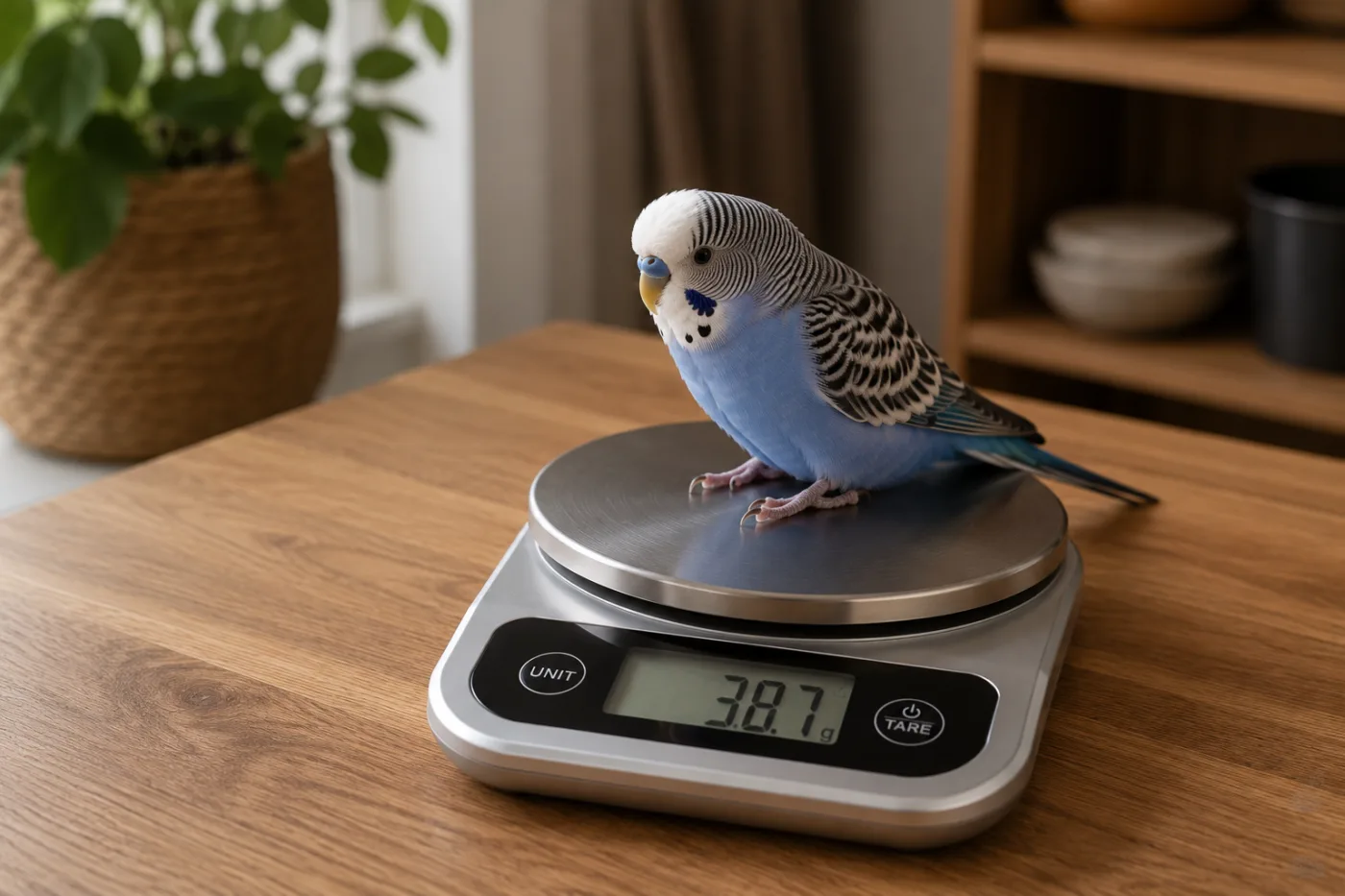
- Get a digital kitchen scale: Place a small perch on top, tare the scale to zero, and let your bird step onto it.
- Weigh at the same time: The best time is first thing in the morning, right after their first morning dropping and before their first meal.
- Log the numbers: Don't rely on memory. A gradual loss of 1 gram every few days is impossible to spot mentally, but glaringly obvious on a chart.
How Keia Simplifies Avian Care
Managing a parrot’s health means tracking subtle changes over time and staying consistent with specialized care. Keia gives you the exact tools to keep your bird safe without adding stress to your day:
- Weight Logging & Trends: Record daily or weekly weight entries in seconds. Watching the trend line helps you catch weight loss weeks before physical symptoms appear.
- Avian Vet Record Archiving: Store bloodwork results, DNA sexing certificates, chlamydia test panels, and fecal exam records digitally so you have them ready whenever you visit a specialist.
- Diet & Supplement Reminders: Set recurring alerts for fresh chop prep, water changes, calcium supplements, or daily medication doses.
- Symptom & Feather Logs: Snap photos of unusual droppings, molting progress, or skin conditions and attach them directly to your pet’s timeline to show your vet.
- Co-Parent Access: Share your bird's exact routine, weight history, and emergency contacts with family members or bird-sitters so their care never skips a beat.
Trust Your Instincts
As a parrot owner, you know your bird better than anyone else. If your gut tells you something is slightly off—even if you can't quite put your finger on it—start tracking their weight immediately and reach out to an avian veterinarian. When it comes to bird health, acting on early suspicions is always better than waiting for obvious symptoms.
The information provided on this blog is for educational and informational purposes only and does not constitute veterinary medical advice. Always consult a qualified veterinarian for any questions regarding your pet's health or behavior.