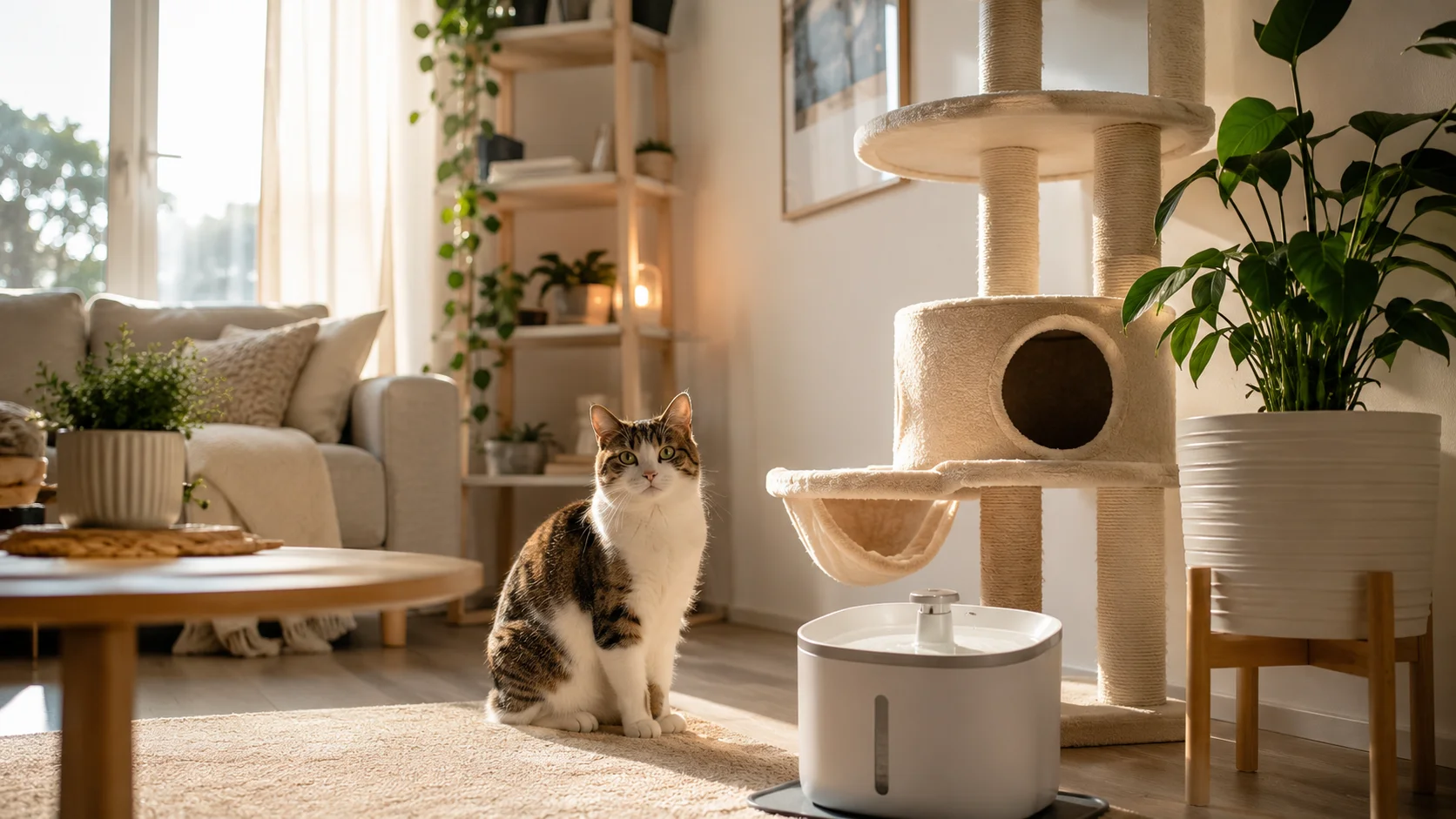
Cats are uniquely suited to indoor living, making them wonderful companions for apartment dwellers. However, living strictly indoors presents a specific set of physical and mental challenges. Without the natural stimulation of the outdoors—like hunting, climbing trees, and exploring vast territories—an indoor cat can easily succumb to boredom, weight gain, and stress-related behavioral issues.
Providing a high quality of life for an apartment cat requires a proactive approach. By optimizing their daily nutrition, creating a stimulating environment, and maintaining regular health routines, you can ensure your indoor feline companion lives a long, vibrant, and joyful life.
Understanding the Needs of an Indoor Cat
Keeping a cat indoors protects them from traffic, infectious diseases, and harsh weather. However, it completely shifts the responsibility of meeting their biological needs onto you.
The Challenge of Physical Activity
- Lower Energy Expenditure: Indoor cats naturally burn fewer calories than outdoor cats who spend hours roaming and hunting. Without structured play, sedentary behavior quickly leads to obesity.
- Loss of Natural Hunting Outlets: Cats possess an innate drive to hunt, stalk, and pounce. When this energy isn't channeled constructively, it can manifest as night-time hyperactive outbursts or aggressive behavior toward owners.
The Importance of Mental Stimulation
- Boredom and Anxiety: A static apartment environment with zero changes can lead to sensory deprivation. Bored cats may over-groom themselves, develop obsessive behaviors, or sleep excessively out of apathy.
- Territorial Security: Cats rely heavily on vertical territory to feel safe. In a small living space, a lack of elevated perches can cause heightened stress, especially in multi-pet households.
Tailoring the Ideal Diet for an Indoor Cat
Nutrition is the cornerstone of your cat’s health. Indoor cats require a carefully balanced diet designed to manage weight and support a lower activity level.
1. High-Protein, Obligate Carnivore Requirements
- Prioritize Meat Protein: Cats are obligate carnivores, meaning their bodies are biologically designed to process animal protein, not carbohydrates. Look for high-quality foods where real meat (like chicken, turkey, or salmon) is the very first ingredient.
- Control Carbohydrate Intake: Excess carbs in commercial cat food are easily converted into fat, leading to rapid weight gain in indoor cats. Keep carbohydrate content as low as possible.
2. Moisture and Hydration Management
Cats naturally have a low thirst drive because their wild ancestors obtained most of their hydration directly from their prey.
- Incorporate Wet Food: Feeding a diet consisting primarily or partially of wet food is crucial for kidney and urinary tract health. Wet food provides vital moisture that helps prevent urinary crystals and chronic kidney disease.
- Use Water Fountains: Cats prefer drinking moving water. Installing a cat water fountain encourages higher daily water consumption compared to a stagnant bowl.
3. Portion Control and Preventing Obesity
- Ditch the Free-Feeding Habit: Leaving a full bowl of dry kibble out all day almost guarantees overeating. Instead, feed measured portions 2 to 3 times per day.
- Adjust for Spayed or Neutered Cats: Desexed cats have a slower metabolism and require fewer calories daily. Choose indoor formulas or adjust portion sizes accordingly.
Environmental Enrichment: Transforming Your Apartment
You don't need a huge mansion to make your cat happy. Strategic use of vertical space and interactive toys can turn any small apartment into a feline paradise.
1. Maximize Vertical Space
- Cat Trees and Towers: Place tall cat trees near windows so your pet can watch birds and outdoor activity (often called "cat TV").
- Wall Shelves and Perches: Install cat-friendly wall shelves or window hammocks to create elevated pathways. High vantage points give cats a sense of control and security over their environment.
2. Interactive Play and Hunting Games
Aim for at least two 10 to 15-minute dedicated play sessions with your cat every single day.
- Wand Toys and Feathers: Use wand-style toys to mimic the unpredictable movements of birds or rodents. Always let your cat "catch" the prey at the end of a play session to satisfy their hunting cycle.
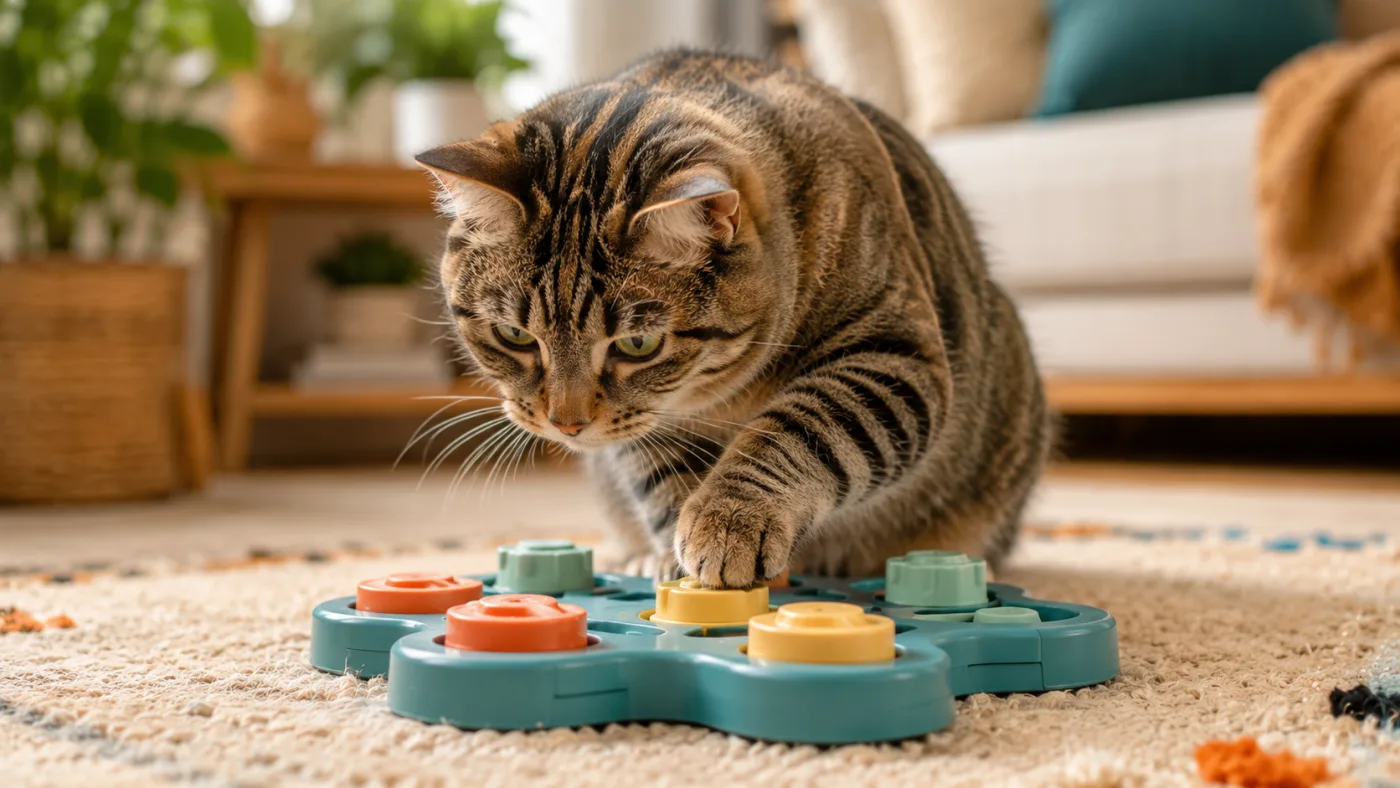
- Puzzle Feeders: Replace standard food bowls with foraging mats or puzzle feeders. Making your cat work for their kibble engages their mind and slows down rapid eating.
3. Scratching Outlets and Resting Zones
- Variety of Scratching Posts: Provide both vertical posts and horizontal scratching pads made from sisal, corrugated cardboard, or wood. Place them near sleeping areas where cats love to stretch and scratch upon waking.
- Cozy Hideaways: Offer covered beds, cardboard boxes, or quiet nooks where your cat can retreat for uninterrupted sleep.
Essential Health and Hygiene Routines
Prevention is always easier and less costly than treatment. Establishing consistent healthcare habits keeps indoor cats thriving.
1. Litter Box Best Practices
- The "N+1" Rule: The golden rule for litter boxes is to have one box per cat, plus one extra. For a single-cat apartment, two boxes located in separate quiet spots are ideal.
- Keep It Spotless: Scoop the litter box at least once daily and perform a full litter change and wash weekly. Cats have an extremely sensitive sense of smell and will reject a dirty box.
2. Grooming and Hairball Prevention
- Regular Brushing: Brush your cat 2 to 3 times a week (or daily for long-haired breeds) to remove loose fur. This dramatically reduces hairball formation in their digestive tract.
- Nail Trimming: Trim the tips of your cat's claws every 2 to 3 weeks to prevent snagging on carpets and furniture.
3. Veterinary Care and Preventive Medicine
- Annual Check-ups: Indoor cats still require annual veterinary exams to check their teeth, heart, and weight.
- Parasite Control: Even indoor cats can get fleas or parasites carried in on your shoes or clothing. Consult your vet about appropriate preventive measures.
⚠ Common Apartment Cat Care Errors
- Ignoring Dental Health: Dental disease is extremely common in adult cats. Brushing their teeth with cat-safe toothpaste or using veterinary-approved dental treats is essential.
- Over-Rewarding with Treats: Treats should never exceed 10% of your cat’s daily caloric intake. Use kibble from their daily allotment for training or play instead.
- Underestimating Stress: Changes in furniture layout, new smells, or sudden loud noises can cause significant stress in indoor cats, often showing up as urinary issues or behavioral changes.
Frequently Asked Questions (FAQ)
Is it cruel to keep a cat strictly indoors in an apartment?
Not at all! As long as you provide adequate environmental enrichment, play, and attention, indoor cats live safer, healthier, and significantly longer lives than outdoor cats.
How do I stop my apartment cat from waking me up at night?
Establish a strict bedtime routine: engage in a high-intensity play session right before bedtime, followed immediately by their main evening meal. A full, tired cat will naturally settle down for sleep.
How much space does an indoor cat actually need?
Quality of space matters much more than square footage. A small studio apartment enriched with vertical shelves, cat trees, and daily interactive play offers a far better environment than a large house with no stimulation.
A Happy Life Together
Caring for an apartment cat is a rewarding experience that relies on thoughtful preparation and love. By combining proper nutrition, mental stimulation, and vertical territory, your indoor cat will thrive happily right by your side.
The information provided on this blog is for educational and informational purposes only and does not constitute veterinary medical advice. Always consult a qualified veterinarian for any questions regarding your pet's health or behavior.