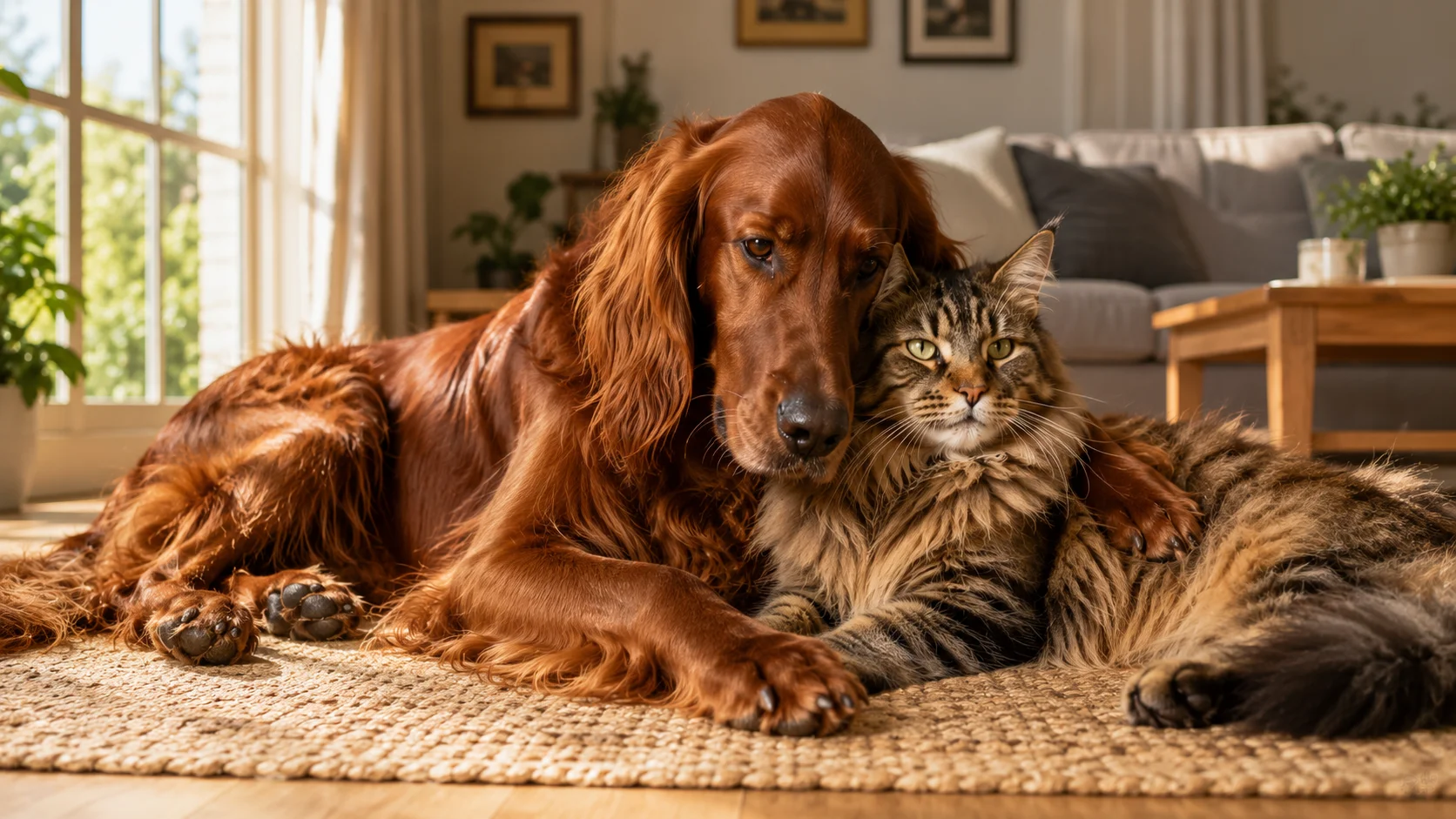
Human beings communicate love through words, warm hugs, shared laughter, and acts of kindness. Our pets, on the other hand, speak an entirely different dialect—one built on subtle body movements, quiet vocalizations, gentle physical contact, and shared presence.
Because animals interpret the world through species-specific instincts, their displays of affection do not always mirror human gestures. A tight human hug can actually feel restrictive or intimidating to a dog, while a direct, unblinking stare might feel like a challenge to a cat. However, once you learn to decode the nuanced behavioral signals of each species, you discover that your pets are constantly broadcasting their devotion, trust, and deep emotional bond with you.
1. Canine Devotion: Beyond the Tail Wag
While a furiously wagging tail is the universal sign of canine excitement, a dog’s deepest expressions of affection are often much quieter and more subtle.
Key Signals of Canine Love:
- The Gentle Lean: If you are standing or sitting and your dog comes over to press their weight against your legs, this is a canine hug. Leaning is a clear sign of emotional reliance, comfort, and physical trust.
- Soft, Sustained Eye Contact: In the wild, eye contact can be an act of aggression. But when a domesticated dog looks at you with relaxed, soft eyes (often referred to as "puppy eyes"), their brain releases oxytocin—the exact same bonding hormone released between parents and newborns.
- Sleeping Close to You: Dogs are pack animals, and in nature, sleeping together offers mutual warmth and defense. Choosing to sleep on your bed, at your feet, or curled up on the couch next to you means they view you as their ultimate safe haven.
- Bringing You Their Favorite Toys: When a dog offers you a slobbery ball, plush toy, or favorite bone, it is not always just a request to play fetch. Sharing prized possessions is a gesture of high status, generosity, and trust within their social group.
- The Post-Meal Snuggle: A dog’s primary biological focus is securing food. If they seek out your company right after eating—rather than immediately going to sleep or exploring—it shows that your bond ranks just as high as their basic survival instincts.
2. Feline Adoration: The Art of Subtle Connection
Cats have earned an unfair reputation for being aloof or independent. In reality, feline affection is simply more refined, requiring a keen eye to fully appreciate.
Key Signals of Feline Love:
- The Slow Blink ("Kitty Kisses"): When a cat looks at you and slowly closes and opens their eyes, they are giving you the ultimate feline compliment. Closing their eyes in your presence signals that they feel completely safe and let their guard down. Returning a slow blink right back is a wonderful way to say "I love you" in their language.
- Head Bunting (Allorubbing): When your cat bumps their forehead, cheeks, or chin against your hands, face, or legs, they are depositing scent markers from glands on their head. They are literally claiming you as part of their family group and marking you with their scent.
- Knitting and Kneading ("Making Biscuits"): Rhythmic pushing with their front paws against your lap or a soft blanket dates back to infancy, when kittens knead their mother to stimulate milk flow. In adult cats, it indicates pure relaxation, contentment, and deep comfort.
- The Upright "Question Mark" Tail: A cat approaching you with their tail held straight up in the air—often with a tiny, vibrating twitch at the tip or a slight curve like a question mark—is displaying enthusiasm, happiness, and eagerness to interact with you.
3. Avian Affection: Feathers, Preening, and Vocal Joy
Parrrots, cockatiels, and other pet birds are intensely social creatures capable of forming profound emotional attachments to their human companions.
Key Signals of Avian Love:
- Gentle Allopreening: In the wild, flock mates preen each other’s feathers in hard-to-reach places like the head and neck. When a bird gently nibbles your hair, eyebrows, or fingertips, they are grooming you as a cherished member of their flock.
- Beak Contact and Head Fluffing: A bird that approaches you, fluffs out the feathers on its head, and gently rests its beak against your hand is asking for head scratches and showing complete vulnerability.
- Soft Vocal Chattering and Purring: Happy, affectionate birds make gentle contentment sounds—such as soft beak grinding before sleep, low purring sounds, or quiet whistling when you enter the room.
- Regurgitation (The Ultimate Compliment): While it may sound unappealing to humans, a bird that sways its neck and attempts to regurgitate small amounts of food for you is exhibiting a courtship and bonding behavior reserved strictly for their absolute favorite companion.
4. Small Animal Joy: Binkies, Purrs, and Gentle Nudges
Rabbits, guinea pigs, and small rodents may be small in size, but their capacity for expressing joy and affection is immense when raised in a gentle environment.
Key Signals of Small Pet Love:
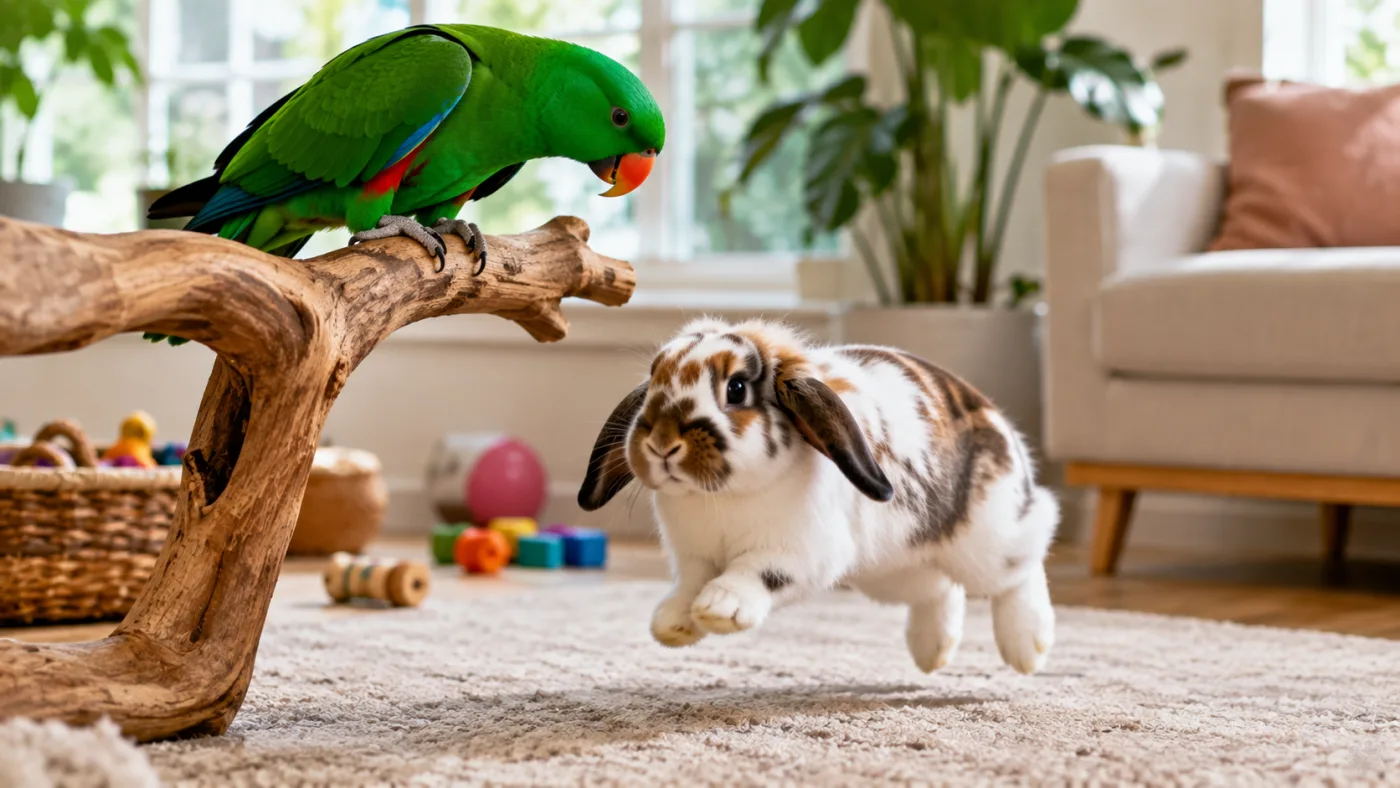
- The Rabbit "Binky": A binky is an unmistakable display of sheer joy where a rabbit leaps high into the air, twists their body mid-flight, and kicks their feet out. If your rabbit performs binkies around you, they are bursting with happiness and feeling secure in their environment.
- The "Bunny Flop": When a rabbit suddenly throws themselves onto their side with their paws extended and eyes relaxed, it means they feel 100% safe from predators and completely relaxed in your home.
- Guinea Pig "Wheeking" and Purring: Guinea pigs are remarkably vocal. A high-pitched "wheek-wheek" when they hear your footsteps means they are excited to see you, while a low, vibrating purr while being gently petted signals cozy satisfaction.
- Gentle Grooming and Licking: If a rabbit, guinea pig, or rat licks your hands or fingers, they are accepting you into their social circle and returning the love you show them.
Building a Lifetime of Mutual Trust
Understanding how your pet expresses love changes your relationship with them forever. By learning to recognize their unique species language, you avoid misunderstandings, respect their boundaries, and respond in ways that deepen mutual trust. Whether it is a quiet slow blink from across the room, a happy binky on the carpet, or a soft head lean against your leg, your pet is constantly reassuring you that you are their entire world.
The information provided on this blog is for educational and informational purposes only and does not constitute veterinary medical advice. Always consult a qualified veterinarian for any questions regarding your pet's health or behavior.