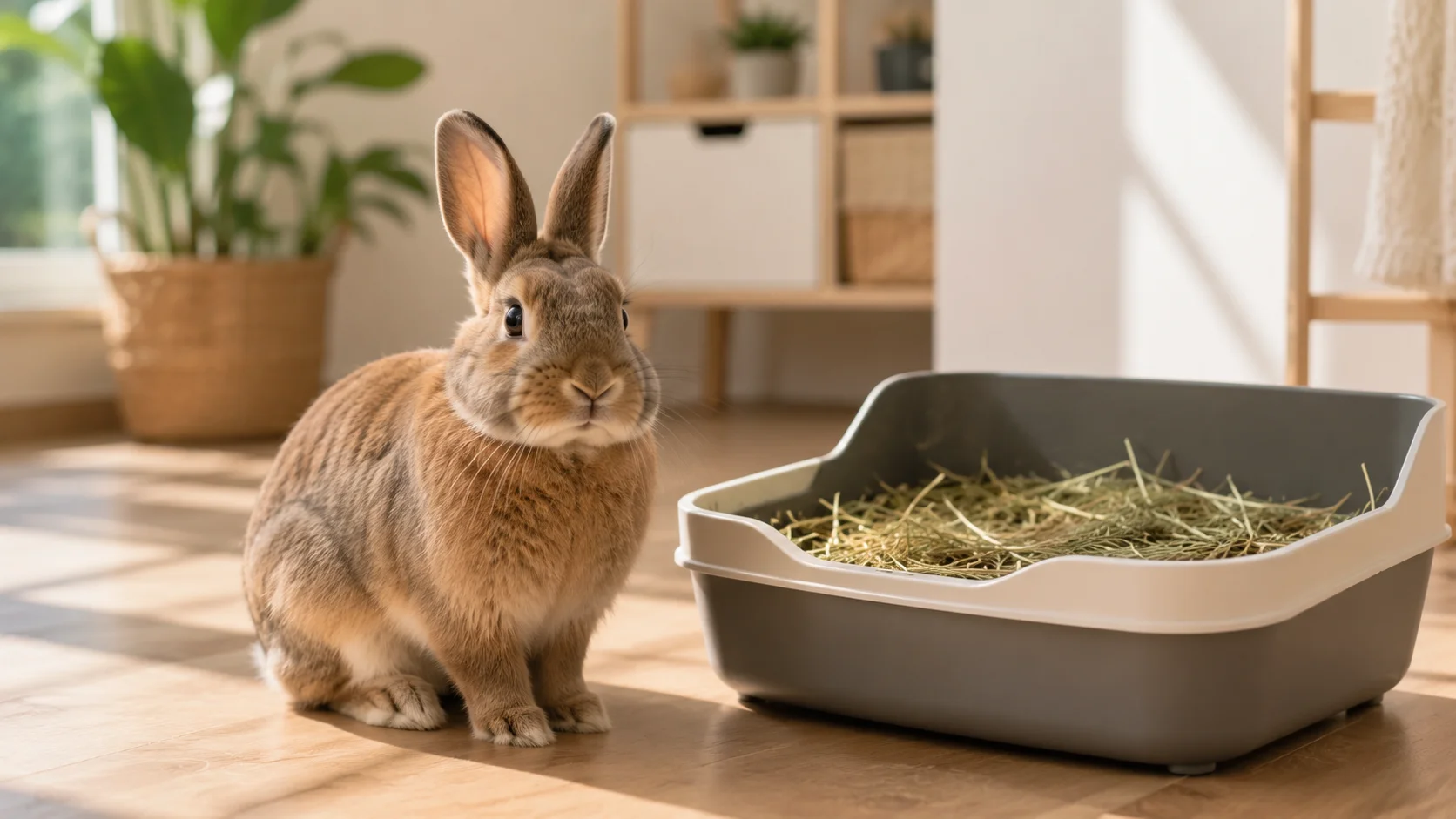
Rabbits make wonderful, intelligent, and clean house pets, but living with an free-roaming bunny comes with unique behavioral challenges. Two of the most common issues new rabbit owners face are house-soiling and destructive chewing on furniture or wires.
Fortunately, rabbits are naturally clean animals with strong habits. By understanding their natural instincts and setting up the right environment, you can easily litter train your rabbit and redirect their need to chew onto safe, appropriate items.
Why Rabbits Chew and Soil Outside the Box
Before starting any training, it is essential to understand why your rabbit exhibits these behaviors. Rabbits do not act out of malice; their actions are driven purely by biology and instinct.
The Instinct to Chew
- Continuous Tooth Growth: A rabbit’s teeth grow constantly throughout its entire life—about 1 to 2 millimeters per week. Chewing is a physical necessity to wear down their teeth and prevent painful dental issues.
- Boredom and Exploration: Rabbits explore the world with their mouths. If they lack mental stimulation or toys, they will turn to baseboards, rugs, and furniture.
- Territorial Marking: Unneutered or unspayed rabbits often use chewing and chin-rubbing (where scent glands are located) to mark their territory.
The Instinct to Litter
- Natural Urges: In the wild, rabbits naturally designate specific areas of their warren as latrines to keep their living spaces clean.
- Hormonal Behavior: Intact adult rabbits will scatter droppings or spray urine to mark their domain. Desexing your rabbit is often the single most effective step in successful litter training.
Step-by-Step Guide to Litter Training Your Rabbit
Litter training a rabbit is surprisingly straightforward when you align your setup with their natural feeding and bathroom habits.
1. Choose the Right Box and Setup
- Use a Large Box: Choose a shallow plastic storage container or a high-backed cat litter box so your bunny has plenty of room to turn around.
- Safe Litter Choice: Never use clay or clumping cat litter, as these can cause fatal intestinal blockages if ingested. Opt for paper-based litter or wood pellets.
- The Hay Trick: Place a generous pile of fresh grass hay directly in or right above the litter box. Rabbits naturally like to eat hay while using the bathroom, which encourages them to spend time in the box.
2. Start in a Confined Space
Giving a new rabbit full freedom of the house immediately is a recipe for training failure.
- The Method: Keep your rabbit in a smaller, enclosed area (like an exercise pen) with their litter box for the first few days. Once they consistently use the box in their small space, gradually expand their allowed area step by step.
3. Reinforce Good Habits
- Clean Up Accidents Instantly: Neutralize urine spots outside the box with a white vinegar and water solution to remove the scent marker. Place any stray droppings inside the litter box.
- Reward Success: When you see your rabbit hop into the box, praise them softly or offer a tiny piece of a healthy treat (like a small herb leaf).
How to Stop Destructive Chewing
You cannot stop a rabbit from chewing entirely, but you can successfully direct what they chew.
1. Rabbit-Proof Your Living Space
- Protect Electrical Cords: Cover all exposed wires with hard plastic wire hiders or split-tubing sleeves. Electrical cords pose a severe hazard to rabbits.
- Cover Baseboards and Corners: Protect popular corner spots with plastic corner guards, cardboard panels, or heavy ceramic tiles.
2. Provide Better Alternatives
If your rabbit is chewing your couch, it usually means they need better chewing outlets.
- Safe Materials: Provide an abundance of untreated apple wood sticks, woven seagrass mats, cardboard tunnels, and willow toys.
- Foraging Toys: Hide pellets or treats inside crumpled paper or cardboard toilet paper tubes to keep their minds engaged.
3. Gently Redirect Bad Behavior
- Never hit, yell at, or physically punish a rabbit. This causes fear and destroys trust.
- If you catch your rabbit chewing a chair leg, clap your hands once firmly to interrupt them, say a calm "no," and immediately swap the chair leg for a chew stick or toy.
Proper Litter Box Maintenance
A clean litter box is the secret to long-term success. If the box gets too dirty, your rabbit will quickly search for a cleaner spot on your carpet.
- Daily Spot Cleaning: Remove wet patches daily and top up with fresh hay.
- Weekly Deep Clean: Wash the box once a week with hot water and white vinegar to eliminate stubborn urine scale.
- Avoid Harsh Chemicals: Do not use strongly scented cleaners or bleach, as chemical odors will drive your rabbit away from the box.
⚠ Common Pitfalls to Avoid
- Expecting Perfection Overnight: Litter training takes consistency over several weeks. Be patient during accidents.
- Using Cedar or Pine Shavings: Aromatic softwoods contain oils that can damage a rabbit's respiratory system and liver. Stick to paper-based litters.
- Skipping the Spay/Neuter Step: Hormonal drives almost always override training. Spaying or neutering resolves the majority of territorial marking issues.
Frequently Asked Questions (FAQ)
Can an older rabbit be litter trained?
Yes! Age is rarely a barrier to litter training. Adult rabbits often learn even faster than young kits because they have better impulse control and longer attention spans.
Why does my rabbit suddenly stop using the litter box?
Sudden changes in bathroom habits can indicate stress, a change in environment, or an underlying medical problem such as a Urinary Tract Infection (UTI) or GI stasis. If retraining doesn't work, consult a rabbit-savvy veterinarian.
How do I know if my rabbit is chewing out of boredom?
If your rabbit continuously gnaws on walls or enclosure bars while showing low activity levels, they lack mental stimulation. More free-roaming time, hideouts, and puzzle toys will quickly resolve this.
A Peaceful Coexistence
With a little patience, proper bunny-proofing, and positive reinforcement, your rabbit can enjoy the freedom of being a house pet without causing damage to your home. Happy training!

The information provided on this blog is for educational and informational purposes only and does not constitute veterinary medical advice. Always consult a qualified veterinarian for any questions regarding your pet's health or behavior.