
For many pets, the familiar sound of keys jingling or the simple act of pulling a jacket from the closet signals one overwhelming reality: their favorite human is about to leave the house. While it is completely natural for dogs and cats to seek companionship and love your presence, severe distress when left alone—known as separation anxiety—can turn every daily departure into a stressful and heartbreaking experience for both you and your pet.
Separation anxiety is far more than just minor boredom or temporary protest; it is a genuine, deep-seated panic response. Fortunately, modern animal behavior research shows that with patience, structured training, and positive reinforcement, you can help your companion feel completely secure, confident, and relaxed while enjoying their time alone.
Recognizing the Early Signs of Separation Anxiety
Separation anxiety often manifests differently in dogs and cats. Recognizing these subtle behavioral indicators early allows you to intervene before the stress becomes deeply ingrained.
Common Signs in Dogs:
- Pre-departure agitation and whining: Pacing, panting, or clinging that begins as soon as you start preparing your belongings to leave.
- Incessant barking or howling: Persistent vocalization that starts immediately after you lock the door and continues long after you are gone.
- Destructive behavior: Chewing window sills, scratching door frames, or tearing up household items located near exit doors.
- Inappropriate elimination: Potty accidents inside the home despite being fully house-trained.
Common Signs in Cats:
- Excessive vocalization: Loud, persistent, and distressing meowing near the entryway or front door.
- Elimination outside the litter box: Urinating or defecating on clothing, bedding, furniture, or near exit doors.
- Compulsive over-grooming: Excessive licking of their fur (often on the belly or inner legs) leading to hair loss and raw skin due to stress.
- Behavioral shifts: Hiding in unusual spots or becoming excessively demanding of physical attention immediately upon your return.
Step-by-Step Strategies to Ease Separation Anxiety
Overcoming separation anxiety requires desensitizing your pet to the cues that signal your departure while transforming their alone time into a rewarding, positive experience.
1. Desensitize Departure Cues
Pets are master observers. They quickly learn that picking up keys, putting on shoes, or grabbing a backpack means you are leaving, which triggers a spike of pre-departure panic.
- The Solution: Practice your exit routine multiple times a day without actually leaving. Pick up your keys, sit on the couch for two minutes, and put them back down. Put on your heavy coat, make a cup of tea, and take it off. By removing the predictability of these cues, you break the association between the trigger and your departure.
2. Keep Departures and Arrivals Completely Neutral
Making a grand event out of saying goodbye or greeting your pet enthusiastically upon your return reinforces the idea that your departure is a dramatic, high-stakes event.
- The Solution: Keep departures quiet, matter-of-fact, and calm. Ignore your pet for a few minutes before you step out and immediately after you return until they are completely relaxed. Once they reach a peaceful state, reward them with quiet affection.
3. Create a Rewarding "Alone Time" Routine
Reframe your absence as a special opportunity for your pet to enjoy high-value rewards that they only receive when you are away.
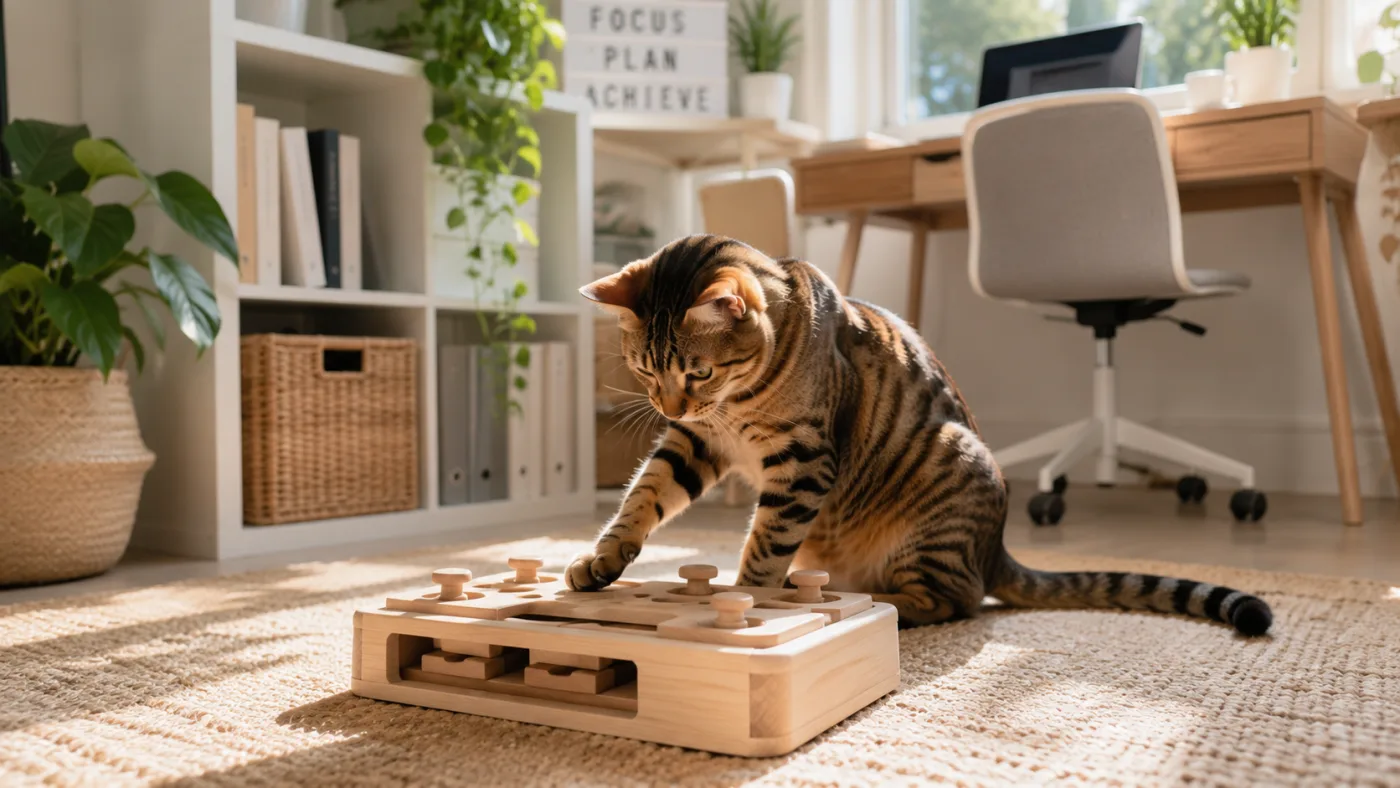
- The Solution: Offer interactive puzzle toys, lick mats spread with pet-safe treats, or durable chew toys right as you leave. For cats, foraging toys or window perches with bird feeders outside provide mental stimulation and keep their minds occupied.
4. Build Up Alone Time Gradually
If your pet struggles with extended absences, start small with micro-departures and build up their tolerance threshold slowly.
- The Solution: Step outside the front door for just 30 seconds, then step back in. Slowly increase the duration to two minutes, five minutes, fifteen minutes, and so on. Always return before your pet reaches their panic threshold.
Establishing a Balanced Daily Routine
Beyond specific desensitization exercises, overall physical and mental energy management plays a crucial role in reducing anxiety:
- Exercise Before Leaving: A brisk morning walk for dogs or an interactive play session with a feather wand for cats burns off excess energy, encouraging rest while you are away.
- Predictable Meal Times: Consistent feeding schedules create a sense of security and emotional stability throughout the day.
Creating a Calming Home Environment
A peaceful atmosphere inside your home can significantly lower stress levels while your pet is left alone:
- Background Sounds: Soft classical music, soothing white noise, or calming television shows can muffle sudden outdoor noises that might trigger alarm.
- Pheromone Diffusers: Synthetic calming pheromones can create a reassuring, familiar atmosphere in their main resting area.
- Scent Comfort: Leave an unwashed t-shirt or blanket that smells like you in their bed to provide emotional reassurance.
⚠ Mistakes to Avoid
When addressing separation anxiety, certain human reactions can unintentionally escalate the problem:
- Never Punish Your Pet: Punishing destructive behavior or potty accidents that occurred while you were away will only increase their fear and confusion. They will connect the punishment to your return, not to their past actions.
- Avoid Sudden Extended Absences: If your pet suffers from severe anxiety, avoid leaving them alone for long stretches without gradual training or help from a trusted pet sitter.
Frequently Asked Questions (FAQ)
Can cats really get separation anxiety, or are they just being distant?
Yes, cats form deep emotional bonds with their owners and can experience genuine separation anxiety. While dogs often display distress through overt vocalization or destruction, cats express anxiety through subtle behavioral changes, like inappropriate urination or excessive grooming.
When should I consult a professional trainer or veterinarian?
If your pet inflicts self-injury, causes severe property destruction, or shows extreme panic that does not improve with gradual training, consult a veterinarian or certified animal behaviorist. In severe cases, short-term calming support or behavioral therapy may be needed.
Building Confidence for a Happier Pet
Helping your pet overcome separation anxiety is a journey built on patience, empathy, and consistency. By gradually teaching them that your departures are safe, routine, and temporary, you empower them to feel confident, secure, and relaxed in their own home!
The information provided on this blog is for educational and informational purposes only and does not constitute veterinary medical advice. Always consult a qualified veterinarian for any questions regarding your pet's health or behavior.