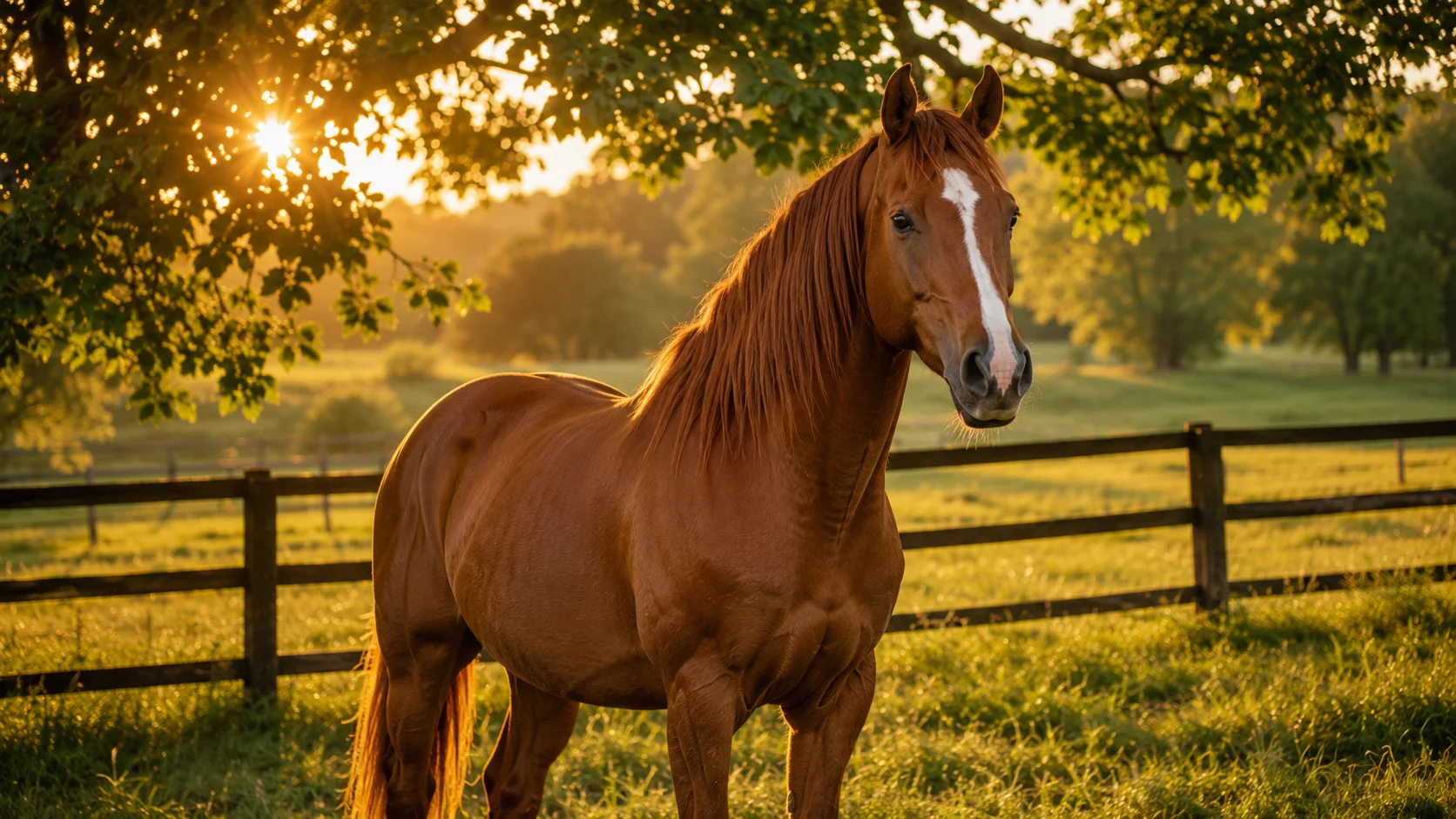
Horses are majestic, highly intelligent, and deeply sensitive animals with a unique way of processing the world around them. Unlike predator species like dogs or cats, horses are prey animals. This fundamental evolutionary trait shapes every action, reaction, and communication signal they display.
Building a meaningful, safe, and trusting partnership with a horse requires stepping away from human logic and learning to read equine language. When you understand how a horse perceives fear, leadership, and safety, you can transform your interactions into a clear, stress-free dialogue built on mutual respect.
Decoding Equine Body Language
Horses communicate constantly, relying primarily on non-verbal body language, facial expressions, and posture to express their emotions and intentions. By observing these subtle cues, you can assess your horse's emotional state before any situation escalates.
Ear Positions and What They Mean
- Ears pinned flat backward: This is a clear sign of annoyance, aggression, or a warning to back off. It often precedes kicking or biting if the horse feels threatened or cornered.
- Ears pricked forward: Indicates intense curiosity, alertness, or focus on something in the distance.
- Ears relaxed or pointing sideways: Signals that the horse is calm, resting, or listening peacefully to surrounding ambient sounds.
- Ears twitching back and forth: Shows that the horse is actively listening to multiple sound sources and paying attention to its handler.
Facial Expressions and Mouth Movement
- Licking and chewing: A classic sign of relaxation, acceptance, and processing new information after a moment of learning or mild stress.
- Tight, wrinkled muzzle: Indicates physical pain, internal tension, or rising anxiety.
- Flared nostrils: Signals high alertness, excitement, or fear as the horse takes in more oxygen to prepare for a fight-or-flight response.
- Drooping lower lip: A sign of deep physical relaxation, drowsiness, or contentment during grooming or resting.
Tail Movements and Posture
- Swishing or wringing the tail: When flies are not present, rapid tail swishing indicates frustration, impatience, or physical discomfort under saddle.
- High, arched tail: Seen during play or moments of high energy and excitement.
- Resting one hind leg: Shows physical comfort and relaxation, provided the horse is not lame or avoiding weight-bearing due to pain.
The Power of Herd Instincts and Leadership
In the wild, survival depends entirely on the cohesion and safety of the herd. Understanding these natural herd dynamics helps you establish yourself as a calm, trustworthy leader.
Safety Through Clear Guidance
- Horses do not look for a dominant, aggressive master; they seek a calm, confident partner who provides safety and clear boundaries.
- If a handler displays nervousness, inconsistency, or unpredictable anger, the horse will assume there is an external danger and take control of the situation out of self-preservation.
Respecting Personal Space
- Establishing boundaries is fundamental in equine safety. A horse that nudges, steps into your space, or pushes past you is asserting pressure.
- Teach your horse to yield to gentle, consistent pressure and respect your personal space bubble at all times.
Step-by-Step Strategies to Build Lasting Trust
Developing a genuine bond with a horse takes time, consistency, and emotional control. Here are practical methods to strengthen your relationship both on the ground and in the saddle.
1. Practice "Passive Leadership" and Quality Time
Spending time with your horse without asking for work or performance builds strong positive associations.
- The Solution: Sit near your horse's paddock while they graze, or spend extra time hand-grooming their favorite spots without saddling up afterwards. This teaches the horse that your presence does not always mean hard physical exertion or high pressure.
2. Master Pressure and Release Timing
Horses learn from the immediate release of pressure, not from the pressure itself.
- The Solution: When asking your horse to yield, step back, or perform a movement, apply the lightest possible cue first. The exact instant the horse makes an attempt in the right direction, release all pressure instantly. This clear timing makes learning easy and stress-free.
3. Maintain Consistent Emotional Control
Horses mirror the heart rate and emotional state of their handlers almost instantly.
- The Solution: If you feel frustrated or rushed, take a deep breath and slow down your movements. Approach your horse with a level-headed, patient mindset. Consistent, predictable reactions make your horse feel secure around you.
Establishing a Balanced Daily Routine
Physical comfort and predictable daily structures directly influence equine behavior and emotional stability:
Turnout and Socialization
- Horses need daily turnout in pastures or paddocks to run, stretch, and socialize with herd mates. Long hours of isolation in stalls often lead to stable vices like cribbing or weaving.
Proper Nutrition and Hydration
- Continuous access to clean water and quality forage (hay or pasture) keeps the digestive system healthy and prevents painful conditions like ulcers, which frequently cause irritable behavior.
⚠ Common Mistakes to Avoid
When working with horses, certain missteps can break trust and create behavioral issues:
- Never React in Anger: Striking or yelling at a fearful horse confirms their suspicion that you are unsafe, worsening the behavioral problem.
- Avoid Inconsistent Cues: Asking for a command in different ways or letting rules slip on certain days causes confusion and frustration for the horse.
Frequently Asked Questions (FAQ)
How can I tell if my horse's bad behavior is caused by pain?
Whenever a horse displays sudden behavioral changes—such as pinning ears when saddling, bucking, or refusing to go forward—pain should always be evaluated first. Saddle fit, dental issues, hoof imbalances, or gastric ulcers are common hidden causes of behavioral distress.
How long does it take to build trust with a nervous or rescued horse?
Rebuilding trust depends on the horse's past experiences. With daily consistency, gentle handling, and predictable routines, significant progress can often be seen within a few weeks, though deep bonds take months to fully mature.
Partnership Built on Mutual Respect
Mastering horse communication is a continuous, rewarding journey of self-awareness and patience. By observing their body language, respecting their prey nature, and offering quiet, consistent leadership, you will unlock a deep partnership built on true trust and harmony!
The information provided on this blog is for educational and informational purposes only and does not constitute veterinary medical advice. Always consult a qualified veterinarian for any questions regarding your pet's health or behavior.